KSRTC Adds GPS Tracking And Panic Buttons To Improve Passenger Safety
KSRTC is upgrading bus safety with GPS tracking and panic buttons, giving passengers better access to live location updates, emergency assistance, and improved travel security across Karnataka.

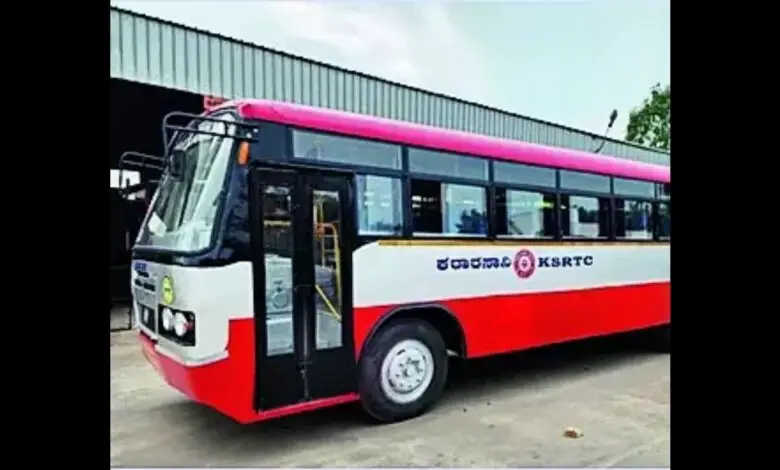
Karnataka State Road Transport Corporation is stepping up its technology based safety measures with a major plan to equip its buses with GPS tracking systems and panic buttons. The move is expected to make bus travel more secure while also giving passengers better information about the location of their vehicles.
For many passengers, waiting for a bus can still involve uncertainty. They may not know where the bus is, whether it has been delayed or if it has stopped because of a technical problem. The introduction of live tracking is expected to address much of this difficulty by making real time bus location information available.
Safety remains another important part of the initiative, particularly for women and other passengers travelling alone. With panic buttons being introduced, passengers will have a way to alert the authorities if they face an emergency or a sudden health related problem during a journey.
The technology is being introduced in line with wider safety requirements for commercial passenger vehicles. Following concerns over passenger safety after the Nirbhaya case, the central government had directed commercial vehicles to adopt vehicle location tracking devices and emergency panic buttons. Karnataka has been moving ahead with the implementation of these systems in public transport as well.


According to the details provided, KSRTC operates a fleet of 6,063 buses. GPS based Vehicle Location Tracking Devices have already been installed in 2,344 buses. Work is expected to expand to the remaining buses, with tenders initiated for the installation of the technology in 3,743 vehicles.
Once the system becomes more widely operational, passengers are expected to benefit from more accurate information about bus movements. Live location tracking can help people understand where a bus is instead of waiting without knowing when it will arrive. It could also prove useful when buses are delayed or face problems while travelling on a route.
The plan also includes the development of a dedicated command centre. The centre will monitor the movement of buses and receive important alerts generated by the tracking and emergency systems. This is expected to give KSRTC officials a better overview of the fleet while buses are operating across different routes.
The panic button is one of the more important safety features being introduced. If a passenger experiences a serious problem inside a bus, pressing the button can send an alert to the command centre. Officials can then assess the situation and coordinate with the appropriate authorities, including the police, when necessary.
For women passengers, such a system could provide an additional layer of confidence while travelling. Public transport is used by thousands of women every day for work, education and other personal needs, and quick access to assistance can be especially valuable when an unexpected situation occurs.
The system may also be useful beyond security related incidents. A passenger who suddenly faces a health emergency could use the panic button to seek assistance. Quick communication between the bus, command centre and emergency services could help officials respond more efficiently.
The GPS system is also expected to improve the overall management of the KSRTC fleet. Transport officials can monitor buses more effectively and identify delays or unusual stoppages. Over time, the information generated through tracking could help authorities understand traffic related delays and improve operational planning.
For passengers, however, the most noticeable change could simply be better visibility. Instead of wondering when a bus will arrive, travellers could have access to information about its current location. This could make planning daily journeys easier, especially on busy routes where passengers regularly depend on public buses.
KSRTC has been gradually adopting technology to improve its services, and the latest safety measures add another important element to that transition. The combination of vehicle tracking, emergency alerts and centralised monitoring is aimed at making public transport more responsive as well as safer.
The rollout will take time as the remaining buses need to be equipped with the required systems. Once the installation is completed across the fleet, passengers could see a significant change in how they track buses and seek help during emergencies.
The initiative is therefore not only about adding new equipment to KSRTC buses. It is also about creating a more connected public transport system where officials can monitor vehicles, passengers can receive better information and emergency situations can be communicated faster.