Karnataka Responds to Tamil Nadu Plea in Cauvery Water Dispute
Karnataka has filed a detailed response before the Supreme Court, arguing that it released more Cauvery water than recommended despite facing a significant shortfall in reservoir inflows.

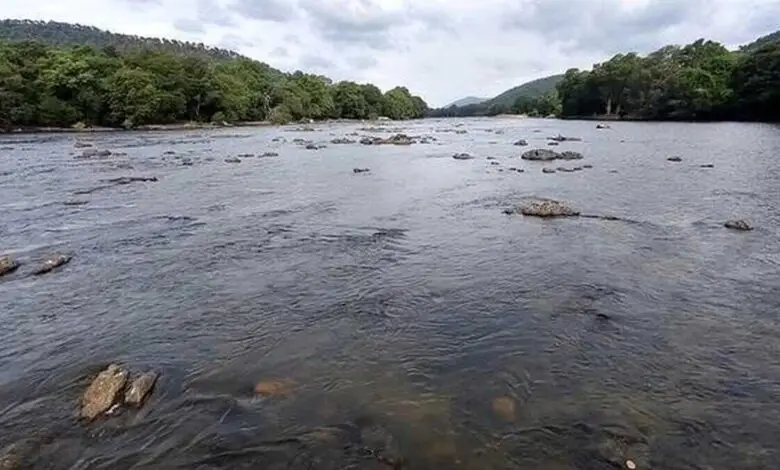
Karnataka filed its response in the Cauvery dispute.
The state cited a 65.76 percent inflow deficit.
Tamil Nadu has sought additional Cauvery water.
The Cauvery water dispute between Karnataka and Tamil Nadu has once again reached the Supreme Court, with Karnataka submitting a detailed response to Tamil Nadu’s plea seeking directions for the release of water.


Karnataka has told the court that the state is facing difficult water conditions this year and that inflows into its four major Cauvery reservoirs have fallen sharply. Despite the shortage, the state claims it has released more water than recommended by the Cauvery Water Management Authority.
The response comes ahead of the scheduled hearing on Tamil Nadu’s petition. Karnataka’s legal team has argued that the water sharing position needs to be assessed in the context of the overall distress faced by the basin this year.
Karnataka points to reservoir inflow shortage
According to the state’s submission, the inflow into Karnataka’s four Cauvery reservoirs has fallen by 65.76 percent. Karnataka has attributed the difficult situation partly to the impact of El Nino conditions.
The state has also highlighted the rainfall received in the Wayanad catchment area. It said this contributed to additional water reaching the Cauvery system and that releases were increased between July 29 and August 10.
Karnataka has maintained that the volume released at Biligundlu was higher than the recommendations made by the CWMA, despite the shortage faced by its own reservoirs.
Over 86000 cusecs reached Tamil Nadu
The state’s response says a total of 164080 cusecs was released from the reservoirs during the period, with 86797 cusecs recorded as having reached Tamil Nadu through Biligundlu.
Karnataka has also questioned the way the distress situation is being assessed. Senior advocate Mohan V Katarki, appearing for the state, argued that ignoring pro rata sharing during a distress year would not be a fair approach.
The submission also pointed to the Cauvery Water Regulation Committee monitoring system at Biligundlu. According to Karnataka, the gauge station records water flow every hour, providing a continuous measurement of the water reaching Tamil Nadu.
Karnataka says releasing 16 TMC would be difficult
Karnataka Water Resources Minister Ramalinga Reddy said the state had no major difficulty in releasing around 3500 cusecs, but releasing 16 TMC of water would be difficult under the current conditions.
The minister said the state government had discussed the matter with the Chief Minister and would announce its next decision soon. He also maintained that Karnataka had presented its position before the authorities and the Supreme Court through its officials and legal team.
Kumaraswamy backs talks with Tamil Nadu
Union Minister HD Kumaraswamy has said that a dialogue between Karnataka and Tamil Nadu could help resolve the continuing water dispute.
Kumaraswamy alleged that Tamil Nadu was using political pressure over the Cauvery issue and said Karnataka should have prepared earlier, given that the state already knew about the possibility of deficient rainfall.
He also claimed that Tamil Nadu had exerted pressure on the CWMA and CWRC earlier in the season to secure water releases.
The Cauvery dispute has remained a recurring source of tension between the two states, with both sides continuing to rely on legal and administrative mechanisms while also discussing the possibility of negotiations. Recent discussions in Tamil Nadu have also included calls for direct talks with Karnataka, showing that dialogue remains part of the wider debate alongside the legal process.