Haveri Reports Rising Cases Of Pregnancy Among Minor Girls
Haveri district has reported a concerning number of pregnancies among girls below 18, highlighting the need for stronger child protection, education, healthcare and community awareness measures

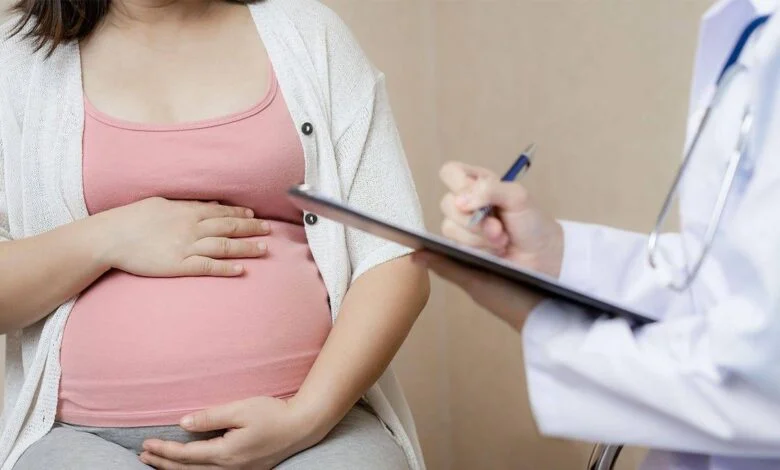
Haveri district in Karnataka is facing growing concern over cases involving pregnancies among girls below the age of 18. Official figures recorded through the Reproductive and Child Health portal show that 42 such cases were reported during the 2025 to 2026 academic year. The numbers have continued into the current year, with 11 cases recorded up to the end of June.
The latest figures have drawn attention from health officials and child welfare authorities because pregnancy involving a minor can often indicate wider concerns surrounding child marriage, exploitation, lack of awareness, interrupted education and inadequate access to adolescent health services. Officials have stressed that every reported case requires careful assessment and appropriate protection measures.
According to the available district level data, Ranebennur recorded the highest number of cases during 2025 to 2026, with 10 cases. Haveri and Hangal followed with eight cases each. Hirekerur recorded six cases, while Byadgi and Savanur reported five cases each.
The distribution across different taluks indicates that the issue is not restricted to one particular part of the district. Authorities therefore believe that prevention efforts need to reach families and adolescents across both rural and urban communities.


The situation during the current year has attracted particular attention because Haveri taluk alone accounted for nine of the 11 cases reported until the end of June. Ranebennur and Savanur recorded one case each during the same period.
The early figures for the current year have prompted officials to examine whether existing awareness and prevention programmes are reaching vulnerable adolescents effectively. Health and child welfare departments are also expected to closely monitor cases involving minors and ensure that children receive appropriate support.
Officials and experts point to several factors that can contribute to pregnancy among adolescents. Limited awareness about reproductive health, early marriage, poverty, school dropout, vulnerability to exploitation and inadequate communication between children and adults are among the concerns commonly associated with such cases.
The problem is particularly serious because it extends beyond healthcare. A minor facing pregnancy may also be at risk of losing access to education, experiencing social isolation and facing long term difficulties. Authorities therefore view the issue as one involving child protection as well as public health.
In cases where there are allegations of sexual abuse or exploitation involving a child, authorities must examine the circumstances carefully and take action under applicable child protection laws. The Protection of Children from Sexual Offences Act provides a legal framework for dealing with offences involving children, making it important for agencies to respond promptly and sensitively.
Officials have also highlighted the importance of preventing child marriage. Early marriage can significantly affect a young persons education, health, safety and future opportunities. Identifying children at risk and intervening before such situations develop is therefore considered an important part of prevention.
Several government departments are involved in efforts to address these concerns. Health and Family Welfare authorities, the Women and Child Development Department, educational institutions and the police have roles in identifying vulnerable children, spreading awareness and responding to cases.
Schools can also play an important role by creating an environment where adolescents can seek help from trusted adults. Age appropriate health education, awareness about personal safety and access to reliable information can help young people understand risks and seek assistance when necessary.
Families and communities are equally important in prevention. Experts have emphasized that parents should maintain open and supportive communication with adolescents instead of allowing sensitive health and safety issues to remain unaddressed. Community based awareness programmes can also help families recognize warning signs and understand where support is available.
The figures from Haveri have also renewed attention on school attendance. When children leave education prematurely, they can become more vulnerable to several social and economic difficulties. Keeping adolescents in school and ensuring that they have access to supportive services can therefore form an important part of a broader prevention strategy.
The reported increase does not mean that every case has the same cause. Each situation is different and must be investigated individually, particularly when a child may have been exposed to coercion, exploitation or other forms of abuse. Authorities are expected to protect the identity and dignity of minors while providing necessary medical, legal and emotional support.
The figures recorded so far in 2026 to 2027 will be watched closely as the year progresses. For Haveri, the immediate challenge is to strengthen early intervention, improve adolescent health awareness and ensure that children remain connected to education and protective services.
The issue ultimately requires coordinated action rather than relying on a single department. Families, schools, healthcare workers, child protection authorities, police officials and local communities all have a role in ensuring that children grow up in safe surroundings. The latest data serves as a reminder that stronger prevention and timely support remain essential to protecting vulnerable adolescents in the district.