Bengaluru Air Quality Improves As Monsoon Rains Clear Dust From The City
Monsoon showers have improved air quality across Bengaluru and several Karnataka cities, reducing dust levels and bringing cleaner conditions as rainfall continues across the state today.

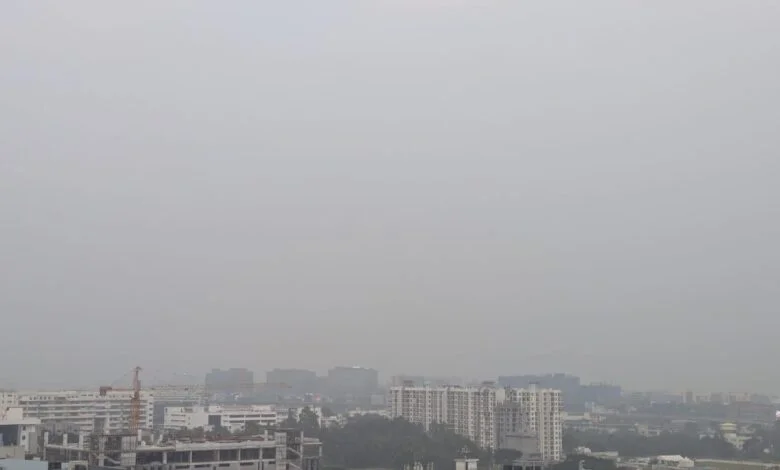
Bengaluru is seeing a noticeable improvement in air quality as regular monsoon showers continue across the city. The rainfall has helped settle dust particles in the atmosphere, while cooler winds have further contributed to cleaner surroundings. The latest figures mentioned in the available report place Bengaluru’s average Air Quality Index at around 43, which falls in the good category.
The improvement comes at a time when Karnataka is experiencing active monsoon conditions. Rainfall in different parts of the state has helped reduce airborne dust and other pollutants, giving residents comparatively cleaner air. Several major cities are also reporting satisfactory or good air quality conditions, although pollution levels can still vary between individual areas.
For Bengaluru residents, the change is particularly noticeable after periods when traffic, construction activity and dry conditions can contribute to increased dust and particulate matter. Continuous rainfall can naturally suppress dust on roads and open spaces, reducing the amount of material that becomes airborne.
Areas such as Silk Board, Jayanagar, Majestic and Hebbal are also reported to be experiencing controlled levels of particulate pollution. These locations usually see significant movement of vehicles and people, making the improvement in air conditions particularly relevant for daily commuters.

The current weather has also created more comfortable outdoor conditions in several parts of the city. People who regularly go for walks or spend time outdoors may find the atmosphere fresher compared with periods of relatively dry weather. However, air quality can change quickly depending on rainfall, traffic movement, wind conditions and local activity.
The improvement in Bengaluru is part of a broader pattern being observed across Karnataka. Coastal areas and parts of the Malnad region have received substantial rainfall, helping keep atmospheric dust levels under control. Mangaluru, for example, is reported to have an AQI in the range of around 25 to 35 in the information provided, indicating good air conditions.
Mysuru is also experiencing relatively clean air, with rainfall and weather conditions contributing to lower pollution levels. The city’s generally open surroundings, combined with the ongoing monsoon, are supporting improved atmospheric conditions.
Northern and interior parts of Karnataka are also seeing changes in air quality. Strong winds and rainfall in some locations have helped reduce the concentration of dust in the atmosphere. The report indicates AQI readings in the range of around 40 to 55 in some major cities, placing them within the good or satisfactory range.
Industrial areas, however, continue to require closer monitoring because local pollution levels can be influenced by industrial activity, traffic and other sources. The available information places some such areas in the range of around 50 to 65, which is comparatively higher than the cleanest readings reported elsewhere in the state.
Rainfall plays an important role in temporarily improving air quality. When rain reaches the ground, it can bring suspended dust particles down and reduce the amount of particulate matter circulating near the surface. Winds accompanying monsoon systems can also disperse pollutants from heavily populated areas.
Despite the current improvement, residents should not assume that good air quality will remain unchanged throughout the season. AQI readings can fluctuate considerably depending on weather conditions and human activity. A break in rainfall, increased traffic or renewed construction activity can lead to a rise in dust and pollution levels.
For Bengaluru, the present conditions offer some relief after concerns about urban pollution during periods of limited rainfall. The combination of regular showers, cooler weather and moving air has created an atmosphere that is comparatively cleaner.
The improvement is also significant for people who spend considerable time outdoors. Lower particulate levels generally mean less dust in the immediate environment. Nevertheless, people with respiratory sensitivity should continue following normal precautions and pay attention to local air quality updates, especially when weather conditions change.
The monsoon has therefore provided more than relief from heat in Bengaluru. It has also helped refresh the city’s atmosphere by reducing visible dust and contributing to better air quality readings. Similar benefits are being observed in several other Karnataka cities receiving regular rainfall.
The latest situation suggests that weather remains one of the strongest short term influences on urban air quality. While rainfall can bring immediate improvement, maintaining healthier air over the longer term will still depend on controlling traffic emissions, construction dust, industrial pollution and other urban sources.
For now, Bengaluru residents can expect relatively cleaner outdoor conditions while the monsoon remains active. Continued rainfall could help maintain the improvement, although AQI levels will continue to depend on local weather and pollution sources.