Stop appeasing the centre, keep quiet instead”: KPCC leader Lakshman slams minister Muniyappa**

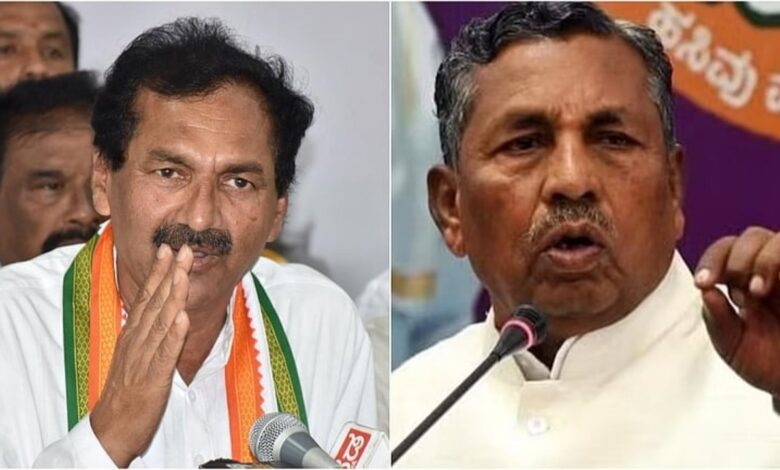
Davanagere, : The ongoing West Asia conflict has begun to impact fuel supplies, triggering shortages of LPG cylinders and auto gas across parts of Karnataka. The situation has now taken a political turn, with Karnataka Pradesh Congress Committee spokesperson M. Lakshman launching a sharp attack on Food and Civil Supplies Minister K. H. Muniyappa over the crisis.
Addressing the issue, Lakshman alleged that the shortage of LPG cylinders is primarily due to inadequate supply from the central government. He criticised the minister for failing to clearly communicate this to the public and instead accused him of “appeasing” the Centre. According to Lakshman, such statements are misleading citizens into believing that the state government is responsible for cylinder distribution, which could create unnecessary resentment against the state administration.
The shortage has hit auto drivers particularly hard, with many struggling to access auto gas. Reports suggest that drivers are being forced to wait for long hours at fuel stations, with some even spending nights at gas bunk premises due to non-availability of fuel. The situation has disrupted daily earnings and added to the financial stress faced by drivers.


Lakshman further criticised Muniyappa’s handling of the situation, stating that frequent review meetings with officials are not translating into tangible results on the ground. He remarked that as a senior leader and a seven-time Member of Parliament, the minister should adopt a more responsible and effective approach to address the crisis rather than holding repeated meetings.
He also warned that continued miscommunication could damage the state government’s image among the public. Instead of projecting that the state is supplying LPG cylinders, Lakshman urged the minister to hold the central government accountable for the shortfall and ensure proper coordination for timely supply.
The fuel supply disruption is believed to be linked to global oil supply constraints arising from geopolitical tensions in West Asia, which have affected imports and distribution chains. While authorities are monitoring the situation, there has been no clear timeline on when normal supply will resume.
As the shortage continues, pressure is mounting on both state and central governments to intervene and stabilise supply, especially for essential fuels like LPG and auto gas that directly impact daily life.