BJP Leader’s Call to Rename Arabian Sea trigger debate


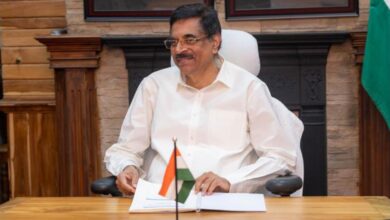
Karwar: In a move that has stirred a fresh debate, Shantarama Siddhi, a prominent BJP leader and member of the Legislative Council, has called for the renaming of the Arabian Sea, advocating for it to be restored to its historical name, “Ratnakara Sagara”.
Siddhi, speaking at the Coastal Festival held on December 23, emphasized that this name had been used for centuries before it was replaced by “Arabian Sea.” According to Siddhi, the name “Ratnakara Sagara” (Ocean of Gems) has deep historical and cultural significance.
He pointed out that the term had been used since ancient times and was a reflection of the sea’s association with prosperity and wealth, as the term ‘Ratnakara’ (meaning ‘ocean of gems’) connoted a vast treasure trove.
Siddhi argued that the term “Arabian Sea,” which replaced it later, was imposed by foreign colonial powers and does not hold the same historical relevance for the region’s indigenous people.


A Push for Identity and Cultural Restoration:
This latest call for renaming the Arabian Sea is part of a broader political agenda to revisit and, in some cases, reclaim India’s historical names and identities that have been changed over the centuries.
Siddhi’s remarks were aimed at invoking regional pride and encouraging a return to what he considers a more authentic representation of India’s cultural heritage.
Renaming geographical features, streets, and cities has become a recurring theme in Indian politics, with several political parties, particularly BJP and its affiliates, pushing for a revival of pre-colonial names.
The controversy over renaming places like “Aurangabad” to “Chhatrapati Sambhaji Nagar” or the proposed change of the “Allahabad” to “Prayagraj” are just a few examples of how such issues have sparked heated debates in recent years.
While Siddhi’s call may seem symbolic, it strikes at the heart of the political battles over national identity. The BJP’s push for such changes is seen as an effort to restore a sense of pride in India’s ancient civilization and heritage.
However, critics argue that the renaming campaign is a tool for deepening political divides and distracting the public from more pressing issues like governance, economic development, and social welfare.
Historical Context and Political Ramifications
The idea of renaming geographical locations is not new. In 1998, the government of Pakistan proposed a similar idea when it called for the renaming of the “Indian Ocean” to “Hindu Mahasagar” (Hindu Ocean).
While this suggestion was met with resistance, the controversy at the time highlighted the complex relationships nations share with the seas and oceans that border them. Siddhi’s statement, however, has stirred a local controversy, particularly among those who view such calls as divisive.
Some political analysts argue that, while the historical context is important, renaming the sea is unlikely to yield any tangible benefits for the coastal communities who live by it. Instead, it might serve as a distraction from real issues like pollution, coastal erosion, and the sustainable development of the region.
Moreover, while Siddhi’s call for renaming the Arabian Sea may resonate with some people in coastal areas like Karwar, it raises a significant question: should we be investing time and energy into renaming geographical landmarks, or should we focus on more substantial matters like public infrastructure, healthcare, and economic growth?
A Larger Debate on Nationalism and Identity
Siddhi’s proposal adds fuel to an ongoing debate about how India should approach its post-colonial identity. For years, nationalists have been calling for a return to traditional names, and in some cases, the revival of indigenous culture and language.
These debates, while seemingly academic, play a critical role in shaping national politics, especially as elections approach. On the other hand, there are many who argue that changing place names or restoring old ones doesn’t solve any real-world problems.
Critics argue that such actions are purely symbolic, and that the government’s focus should be on ensuring that the people living in these areas have better lives — not just better names for their surroundings.
Also Read: Hindu Family Locked Inside Home and Set on Fire – Taslima Nasreen Condemns the Attack