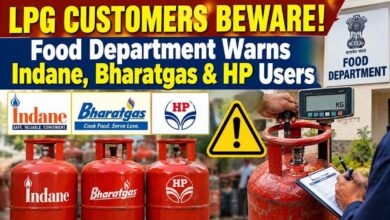
LPG Cylinder Prices May Rise as Centre Considers New Cess on Cooking Gas
The Ministry of Petroleum and Natural Gas is reportedly considering a tax of Rs 1.29 per kg of LPG, which could increase the price of a domestic LPG cylinder by approximately Rs 18.


India is planning to establish a Strategic Fuel Reserve worth $42 billion to strengthen the country’s energy security following supply chain disruptions caused by the Iran conflict.
As part of the proposal, the Central Government is considering imposing a cess or tax on LPG and natural gas consumers, according to a Reuters report. The proposed initiative will, for the first time, expand India’s strategic energy reserves to include natural gas alongside crude oil.
To finance the construction of LPG and natural gas storage infrastructure, the government aims to raise around $1.5 billion annually through the proposed levy. The Ministry of Petroleum and Natural Gas is reportedly considering a tax of Rs 1.29 per kg of LPG, which could increase the price of a domestic LPG cylinder by approximately Rs 18.
In addition, a proposal to impose a Rs 1.43 tax per standard cubic metre of natural gas is under consideration. If implemented, household natural gas bills could rise by around 2%. The revenue generated through these levies will be used to develop LPG and LNG storage infrastructure, while the cost of expanding crude oil reserves will continue to be borne directly by the Central Government.


India is the world’s third-largest importer and consumer of crude oil, meeting nearly 90% of its crude oil requirements through imports. Recent geopolitical tensions in West Asia and disruptions around the Strait of Hormuz have exposed the country’s vulnerability to global energy supply shocks.
To address these challenges, the government plans to invest nearly $42 billion over the next decade in expanding its strategic fuel reserves. At present, India has government-owned emergency crude oil reserves sufficient for less than 10 days of consumption, significantly lower than countries such as Japan and South Korea.
It is important to note that the proposal has not yet been approved. The plan is still under consideration and requires final approval from the Union Cabinet headed by Prime Minister Narendra Modi before it can be implemented.