Simple Gardening Secrets to Grow Healthy Green Chilies at Home
Many home gardeners struggle with flower drop and poor yields in chili plants. A few simple growing techniques can help produce healthier plants and a steady harvest.

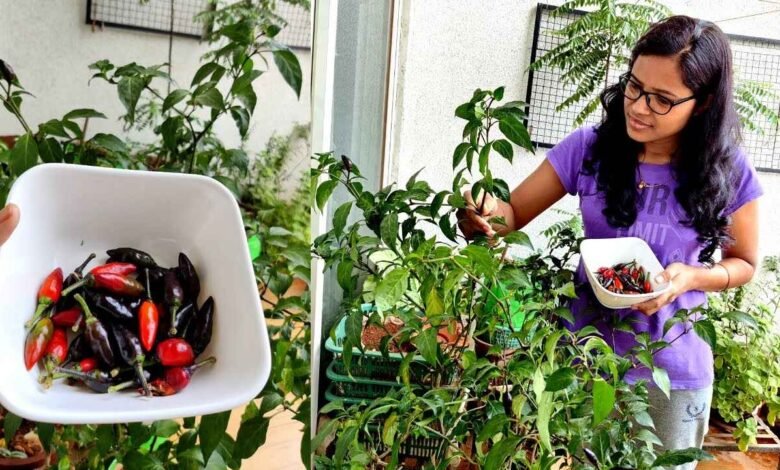
Fresh green chilies are a staple ingredient in countless kitchens, adding flavor and heat to everyday meals. While many people enjoy growing chili plants in balconies, terraces, and small home gardens, not everyone achieves the harvest they expect. One of the most common complaints among home gardeners is that the plants bloom well but fail to produce enough chilies because the flowers fall off too early.
Gardening enthusiasts say that healthy chili production starts with proper planting and consistent care. Choosing quality seeds or strong seedlings is the first step toward growing productive plants. The growing medium also plays a crucial role. A balanced mix of garden soil, organic compost, and sand or cocopeat helps create a loose and fertile environment where roots can spread easily and absorb nutrients efficiently.
Sunlight is another factor that should never be overlooked. Chili plants thrive in bright conditions and require several hours of direct sunlight each day. Experts recommend placing pots in a location that receives at least five to six hours of sunlight. Without adequate light, plants may grow weak and struggle to support flowering and fruit development.
One of the biggest reasons for flower drop is improper watering. During the flowering stage, chili plants become particularly sensitive to moisture levels. Excess watering can weaken roots and lead to flower loss, while insufficient water can cause blooms to dry out and fall. Gardeners are advised to water only when the top layer of soil feels dry, maintaining a balanced moisture level throughout the growing season.

Nutrition is equally important during the flowering phase. Plants that do not receive enough nutrients often fail to retain flowers and develop fruits. Organic fertilizers can provide the support needed for healthy growth. A popular homemade option involves soaking mustard cake in water for a few days and then diluting the solution before applying it around the base of the plant. This natural feed supplies essential nutrients that encourage stronger growth and better fruit production.
Many experienced gardeners also rely on simple natural sprays to protect plants. A diluted solution made from sour buttermilk can be sprayed on the leaves once a week. This traditional method is believed to discourage pests while helping the plant remain healthy during critical growth stages. Healthy plants are generally better able to hold flowers and produce more chilies.
Pruning is another often overlooked technique that can significantly improve yields. Removing excess or overcrowded branches allows the plant to focus its energy on producing new shoots. These fresh branches often generate additional flowers, increasing the chances of a larger harvest over time.
Growing green chilies at home does not require expensive products or advanced gardening skills. In many cases, success comes down to understanding the plant’s needs and responding at the right time. Proper soil preparation, balanced watering, regular feeding, and adequate sunlight can make a noticeable difference in plant performance.
For those who enjoy harvesting fresh ingredients straight from their garden, chili plants can be one of the most rewarding crops to grow. With a few simple adjustments and a little patience, home gardeners can enjoy healthy plants covered with vibrant green chilies throughout the growing season.