A Handful of Peanuts a Day May Offer Powerful Benefits for Heart Health
Rich in healthy fats, protein, minerals, and antioxidants, peanuts can support heart health, help manage cholesterol levels, and contribute to overall wellness when included in a balanced diet.

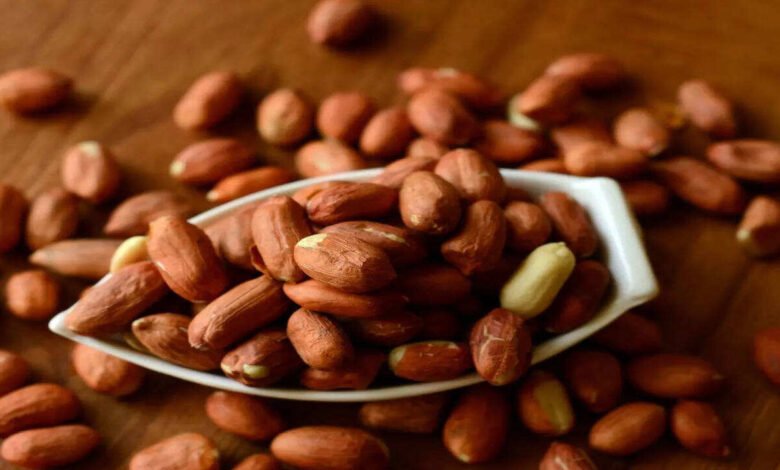
Heart related illnesses are becoming increasingly common as modern lifestyles bring higher levels of stress, unhealthy eating habits, and reduced physical activity. Conditions such as high blood pressure, elevated cholesterol, and heart attacks are now being reported at younger ages than before. Health experts believe that simple dietary changes can play an important role in protecting cardiovascular health.
Among the affordable and widely available foods recommended by nutritionists, peanuts stand out as a nutrient rich option. Often considered a budget friendly superfood, peanuts contain healthy fats, protein, fiber, vitamins, minerals, and powerful antioxidants that can contribute to better overall health. Experts say that consuming a small handful of peanuts daily may provide several benefits for the heart.
One of the most significant advantages of peanuts is their ability to support healthy cholesterol levels. The buildup of low density lipoprotein, commonly known as bad cholesterol, can narrow arteries and increase the risk of heart disease. Peanuts contain monounsaturated and polyunsaturated fats, which may help lower harmful cholesterol levels while supporting healthier levels of high density lipoprotein, often referred to as good cholesterol.
Maintaining healthy blood pressure is another important factor in reducing the risk of cardiovascular disease. Peanuts are a good source of magnesium and potassium, two minerals that help relax blood vessels and improve blood circulation. Better blood flow can contribute to healthier blood pressure levels, reducing strain on the heart over time.


Weight management is also closely linked to heart health, and peanuts may offer support in this area as well. Their combination of protein and fiber helps promote a feeling of fullness, which can reduce unnecessary snacking and overeating. By helping people stay satisfied for longer periods, peanuts may support healthy eating habits and assist with maintaining a healthy body weight.
Another reason peanuts are valued by nutrition experts is their antioxidant content. Antioxidants help protect the body’s cells from damage caused by free radicals, which are unstable molecules linked to inflammation and various chronic diseases. By reducing oxidative stress, these compounds may contribute to better cardiovascular health and overall well being.
Health professionals generally recommend consuming around 25 to 30 grams of peanuts per day. For maximum nutritional benefits, soaked peanuts or dry roasted varieties are considered healthier choices than peanuts that are deep fried or heavily salted. Including them as part of a balanced diet can be a practical way to add valuable nutrients without significantly increasing food costs.
While peanuts can be a beneficial addition to daily meals, experts caution that they should not be viewed as a cure for heart disease or any other medical condition. Their benefits are most effective when combined with regular exercise, a nutritious diet, adequate sleep, and other healthy lifestyle practices. For individuals looking to improve their heart health naturally, a simple handful of peanuts each day can be a smart and accessible dietary choice.