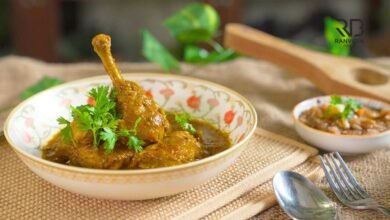
Foods You Should Avoid Right After Eating Chicken or Mutton
Health experts warn that certain food combinations after consuming chicken or mutton may lead to digestive discomfort, bloating and acidity, making proper meal timing important for better digestion.


Chicken and mutton are among the most popular protein rich foods enjoyed by millions of people. Packed with essential nutrients, vitamins and healthy fats, these foods can be part of a balanced diet when consumed in moderation. However, nutrition experts say that what you eat after a non vegetarian meal can be just as important as the meal itself.
Many people unknowingly combine certain foods with meat dishes, which may put extra pressure on the digestive system. Since meat takes longer to digest than many other foods, consuming incompatible items immediately afterward can sometimes result in bloating, indigestion, acidity and stomach discomfort.
One common mistake is drinking very cold water or eating ice cream right after a heavy meat based meal. The digestive process requires adequate warmth and enzyme activity to break down fats and proteins efficiently. Extremely cold foods and beverages may temporarily slow digestion, leaving some people feeling heavy and uncomfortable after eating.
Tea and coffee are also often consumed after lunch or dinner, but experts recommend waiting for some time after eating meat. These beverages contain compounds that may interfere with the body’s ability to absorb certain nutrients, particularly iron found in meat and seafood. As a result, the nutritional benefits of the meal may not be fully utilized.


Another food group that deserves attention is dairy. Milk, yogurt, buttermilk and similar products are processed differently by the digestive system. Consuming them immediately after chicken, mutton or seafood may not suit everyone and can contribute to gas, bloating or digestive discomfort in sensitive individuals.
Citrus fruits such as oranges, lemons and sweet limes are often considered healthy, but timing matters. These fruits digest much faster than meat. When eaten immediately after a heavy non vegetarian meal, the difference in digestion speed may lead to increased acidity and stomach irritation in some people.
Desserts are another popular post meal choice. While ending a meal with sweets is common, adding sugary desserts immediately after a protein and fat rich meal can make digestion slower. This combination may leave people feeling sluggish and can increase the chances of bloating or heartburn.
Heavy carbohydrate rich foods can also create digestive challenges when consumed in large quantities alongside fatty meat dishes. Potatoes and other starchy foods require their own digestive process, and excessive portions combined with rich meat preparations may result in a feeling of heaviness and fatigue after meals.
Health professionals emphasize that reactions vary from person to person. Not everyone will experience digestive issues from these food combinations. However, individuals with sensitive stomachs, acidity problems or digestive disorders may benefit from leaving a gap between meat consumption and certain foods or beverages.
Rather than avoiding these foods completely, experts suggest focusing on meal timing and moderation. Allowing the body enough time to digest protein rich meals can help reduce discomfort and improve nutrient absorption. A balanced approach to eating remains the best way to enjoy non vegetarian dishes while supporting overall digestive health.