How to Make Jasmine Plants Bloom Heavily in Monsoon with a Simple Organic Fertilizer Trick
Garden experts suggest that jasmine plants can produce abundant flowers even during the rainy season if they receive proper sunlight, nutrition, and a simple homemade organic fertilizer made from tea powder, calcium mix, and mild acidic balance.

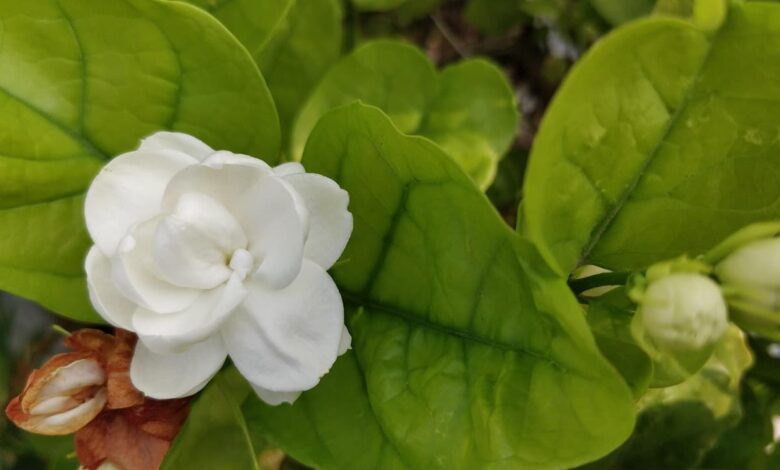
Jasmine plants are a favorite in many households because of their fragrance and beautiful white flowers. But during the monsoon season, many gardeners notice a drop in flowering. The main reason is not just rain but also lack of sunlight and improper plant care. These plants need full sunlight exposure to stay healthy and produce continuous blooms.
One important thing to understand is that jasmine is a heavy feeder plant. It needs regular nutrition to support its growth and flowering cycle. Without proper feeding, the plant may grow leaves but fail to produce enough flowers. Seasonal changes also play a role, especially during winter when the plant slows down its blooming naturally.
However, gardeners say that with the right care routine, jasmine plants can still bloom beautifully even in the rainy season. Sunlight remains the most critical factor. Keeping the plant in a place where it receives direct sunlight for several hours a day helps maintain its energy and flower production.
Another key factor is soil nutrition. Instead of relying only on chemical fertilizers, many plant lovers are now using simple homemade organic mixes to improve flowering. These natural solutions help strengthen the roots and improve soil quality without harming the plant.


A very simple homemade fertilizer can make a noticeable difference in jasmine flowering. It requires one liter of water, one spoon of fresh tea powder, one spoon of chalk powder, and about eight to ten drops of lemon juice. The preparation process is easy and can be done at home without any special tools.
The tea powder mixture is prepared by soaking tea powder in water overnight. This allows nitrogen to release into the water, which supports healthy green growth in plants. The next day, chalk powder is added to provide calcium, which is essential for strong buds and better flowering.
Finally, lemon juice is mixed in small drops. This slightly adjusts the soil to a mild acidic level, which jasmine plants naturally prefer. This balance encourages better flower formation and improves overall plant health when used correctly.
Before applying this mixture, it is important to water the plant lightly so the soil is slightly moist. This helps the roots absorb nutrients more effectively. The prepared solution should then be poured at the base of the plant, around one liter per plant depending on size.
Experts recommend using this organic fertilizer once every two weeks for best results. With consistent care, proper sunlight, and balanced feeding, jasmine plants can continue to bloom even during monsoon, filling home gardens with fragrance and fresh white flowers.