Five Foods You Should Never Cook in a Pressure Cooker
While pressure cookers save valuable cooking time, experts warn that certain foods can lose texture, flavor, nutrients, or even create safety risks when prepared this way.

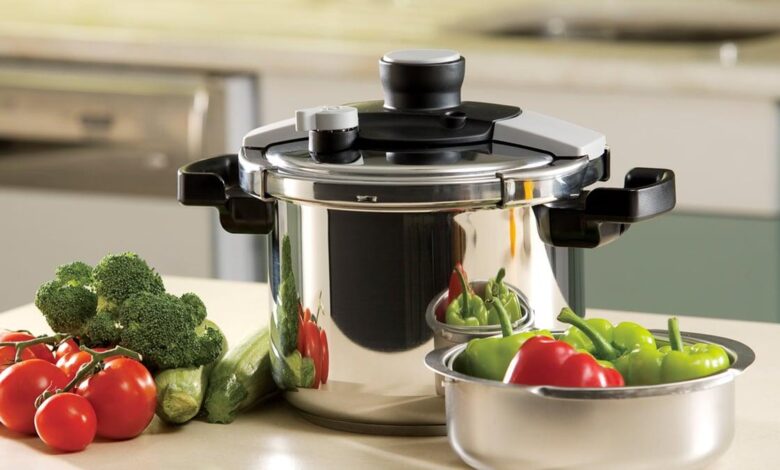
Pressure cookers have become an essential appliance in modern kitchens, especially for families trying to prepare meals quickly during busy mornings. They are highly effective for cooking rice, lentils, beans, and hard vegetables in a fraction of the usual time. However, culinary experts say that not every ingredient benefits from high pressure cooking. In some cases, using a pressure cooker can ruin the taste and texture of food, while in others it may even create potential safety concerns.
One common mistake is attempting to prepare deep fried foods inside a pressure cooker. Items such as fries, fritters, or similar snacks require open frying conditions to achieve the desired crispiness. A pressure cooker operates by trapping steam and building internal pressure. Combining hot oil with a sealed environment can be risky and may lead to dangerous situations if not handled correctly. Traditional frying pans or kadais remain the safest choice for such recipes.
Leafy greens are another category that experts recommend keeping away from pressure cooking. Vegetables such as spinach, fenugreek leaves, and amaranth cook very quickly on their own. Subjecting them to intense heat and pressure can cause them to lose much of their natural color, texture, and nutritional value. Many vitamins and minerals are sensitive to prolonged cooking, making gentle preparation methods a better option.
Milk based dishes also require special care. Recipes prepared with milk, cream, yogurt, or similar dairy ingredients often do not respond well to high pressure cooking. Excessive heat may cause dairy products to curdle or separate, affecting both appearance and flavor. Delicate dishes such as creamy curries, desserts, and sweet puddings generally produce better results when cooked slowly in regular pots.


Another food group frequently mentioned by cooking enthusiasts is noodles and pasta. These ingredients typically need only a few minutes of boiling. Inside a pressure cooker, they can easily become overcooked, turning soft and sticky. Instead of maintaining their desired texture, they may clump together and lose their appeal. Cooking them in an open pot allows better control over timing and consistency.
Baking enthusiasts are also advised not to rely on pressure cookers as a substitute for proper baking equipment. While some people experiment with cakes and biscuits in pressure cookers, the appliance is not specifically designed for baking. This can lead to uneven cooking, with some parts remaining undercooked while others become dry or burnt. Dedicated ovens or suitable baking appliances are generally more reliable for achieving consistent results.
Kitchen experts note that the popularity of pressure cookers sometimes encourages people to use them for every recipe in an effort to save time. However, understanding which foods are suitable for pressure cooking is just as important as knowing how to use the appliance itself. Choosing the correct cooking method helps preserve flavor, texture, and nutritional quality while also improving safety.
For everyday meals, pressure cookers remain excellent tools for preparing grains, lentils, legumes, and tougher ingredients that require longer cooking times. But when it comes to dairy based recipes, leafy vegetables, noodles, baked goods, and fried foods, traditional cooking methods often deliver superior results.
As home cooking continues to evolve with modern appliances, experts encourage consumers to balance convenience with proper food preparation techniques. A few extra minutes spent using the right cookware can make a noticeable difference in both taste and nutritional value, while also reducing the risk of kitchen mishaps.