Ajwain and the Thymol Secret Behind Its Powerful Digestive Benefits
Used for generations in traditional kitchens, ajwain is gaining attention again for supporting digestion, easing bloating, promoting respiratory wellness, and offering natural antibacterial properties daily.

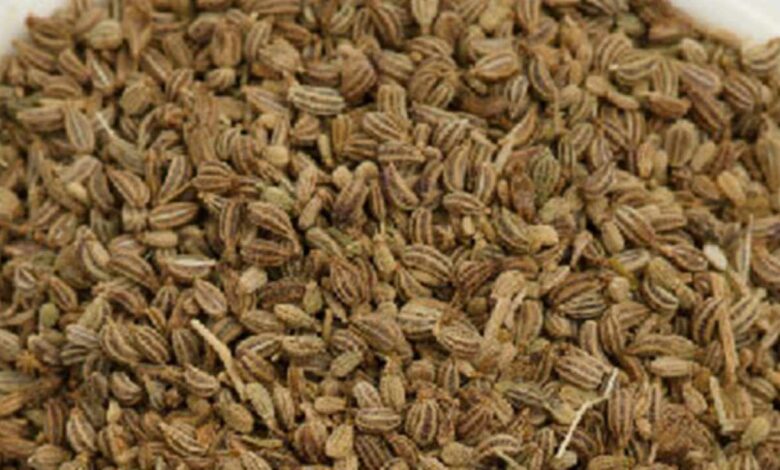
Ajwain has long been a trusted ingredient in household kitchens, valued not only for its distinctive flavor but also for its remarkable health benefits. For generations, many families have turned to a handful of ajwain seeds whenever indigestion, bloating, or stomach discomfort strikes. Modern interest in natural remedies has once again brought this humble spice into the spotlight.
What makes ajwain particularly special is a natural compound called thymol. This essential oil is largely responsible for the spice’s medicinal properties. Thymol is known for its antibacterial, anti inflammatory, and antioxidant characteristics, making ajwain far more than just a cooking ingredient. Health enthusiasts and traditional medicine practitioners often regard it as one of the most useful natural remedies available in the kitchen.
One of the most widely recognized benefits of ajwain is its ability to support healthy digestion. The thymol present in the seeds helps stimulate the release of digestive enzymes and gastric juices. As a result, food breaks down more efficiently, reducing the likelihood of indigestion, bloating, gas, and stomach discomfort. Many people who frequently experience acidity or heaviness after meals find relief by including ajwain in their daily routine.
Ajwain water has become a popular home remedy for digestive issues. Preparing it is simple. A teaspoon of ajwain seeds can be boiled in a glass of water until the liquid reduces slightly. Once strained, the warm drink can be consumed in the morning. Many people consider this an easy and natural way to support digestive health throughout the day.


Beyond digestion, ajwain also contributes to respiratory wellness. Seasonal changes often bring coughs, colds, congestion, and breathing discomfort. Traditional remedies frequently use ajwain to ease these symptoms. Drinking warm ajwain water or inhaling the aroma of lightly crushed seeds may help provide comfort during periods of nasal congestion and respiratory irritation.
Oral health is another area where ajwain shows promise. The seeds contain compounds that may help limit the growth of harmful bacteria and fungi in the mouth. Some people use ajwain infused water as a mouth rinse to support oral hygiene, reduce bad breath, and maintain healthier gums. While it should not replace regular dental care, it can serve as a useful addition to everyday hygiene practices
Ajwain is also attracting attention among those focused on weight management. Experts believe that its ability to support metabolism may help the body process food more efficiently. Combined with a balanced diet and active lifestyle, ajwain may contribute to healthy weight control. Its digestive benefits can also reduce the uncomfortable bloating that often accompanies poor eating habits.
Another notable advantage comes from its anti inflammatory properties. Individuals dealing with mild joint discomfort or swelling may find that regular consumption of ajwain supports overall wellness. While it is not a substitute for medical treatment, its natural compounds may play a supportive role in maintaining comfort and mobility.
For immediate relief from gas or stomach discomfort, some traditional practices recommend chewing a small quantity of ajwain mixed with a pinch of black salt and following it with warm water. This simple remedy remains popular in many households because of its quick and convenient nature.
Despite its many benefits, moderation remains important. Ajwain is considered a warming spice, and consuming excessive amounts may not suit everyone. Health experts advise using it sensibly as part of a balanced diet rather than relying on it excessively.
As interest in natural wellness continues to grow, ajwain stands out as a simple kitchen ingredient with impressive potential. From supporting digestion and respiratory health to promoting oral hygiene and metabolic function, this tiny seed continues to earn its place as one of the most valued traditional remedies found in everyday homes.