Building a New Home These Bricks Can Keep Interiors Cooler Even During Peak Summer
Choosing the right construction materials can significantly reduce indoor heat helping homeowners stay comfortable during summer while lowering dependence on air conditioners and electricity consumption.

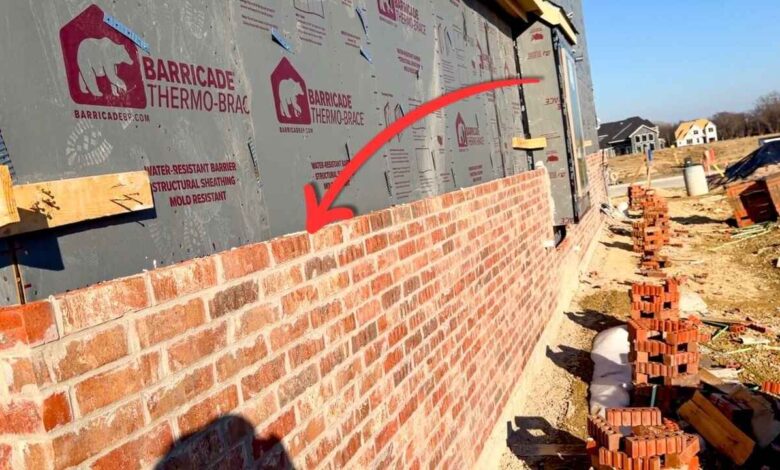
As temperatures continue to rise across many regions, homeowners are paying closer attention to construction materials that can improve indoor comfort. While air conditioners and coolers provide relief from extreme heat, experts say that the choice of bricks and wall materials during construction can have a major impact on how warm or cool a house feels throughout the year.
Many people focus on design, flooring and interiors while building a home, but thermal performance often begins with the walls. Selecting materials that reduce heat transfer can help maintain a more comfortable indoor environment and may even lower long term energy costs.
Traditional red clay bricks have been widely used in residential construction for decades. Known for their strength and durability, these bricks remain a popular choice. However, they tend to absorb a considerable amount of heat during the day. As temperatures drop in the evening, the stored heat is gradually released indoors, often making rooms feel warmer even after sunset.
This heat retention characteristic is one reason why many homes built entirely with conventional clay bricks can feel uncomfortable during intense summer months. Residents often rely heavily on cooling appliances to manage indoor temperatures.


In recent years, fly ash bricks have emerged as an alternative that offers better thermal performance. Manufactured using fly ash generated by coal based power plants, these bricks are considered more environmentally friendly while also providing improved insulation compared to traditional clay bricks.
Builders say that fly ash bricks absorb less heat and help reduce the amount of external warmth entering the house. While they may not completely eliminate the need for cooling systems, they can contribute to a more pleasant indoor climate during hot weather.
Among modern construction materials, AAC blocks have gained significant popularity for their heat resistant properties. AAC stands for Autoclaved Aerated Concrete, a lightweight material designed with numerous tiny air pockets throughout its structure.
These air pockets act as natural thermal barriers, slowing the transfer of heat from outside to inside. As a result, homes constructed with AAC blocks often remain noticeably cooler compared to buildings made with conventional bricks.
Construction professionals also highlight another advantage of AAC blocks. Because they are much lighter than traditional masonry materials, they reduce the overall load on the structure. This can simplify construction and may help reduce the quantity of certain building materials required during the project.
Energy efficiency has become an increasingly important consideration for homeowners. Rising electricity costs mean that any feature capable of reducing cooling requirements can deliver savings over time. Materials with better insulation properties can help maintain stable indoor temperatures and reduce dependence on air conditioning systems.
Experts recommend evaluating construction materials based not only on cost and durability but also on their ability to manage heat. Factors such as wall insulation, roof treatment, ventilation and the type of bricks used all contribute to the overall comfort of a home.
For those planning a new house, AAC blocks and fly ash bricks are increasingly being viewed as practical alternatives to conventional red bricks. Their ability to limit heat absorption and improve thermal insulation makes them attractive options for regions that experience long and intense summers.
While no building material can completely prevent heat from entering a home, making informed choices during construction can significantly improve living conditions. A well planned structure with heat resistant materials can stay cooler naturally, providing greater comfort and potentially reducing electricity bills for years to come.