US-Iran tensions escalate as Tehran rejects trump warning, signals retaliation

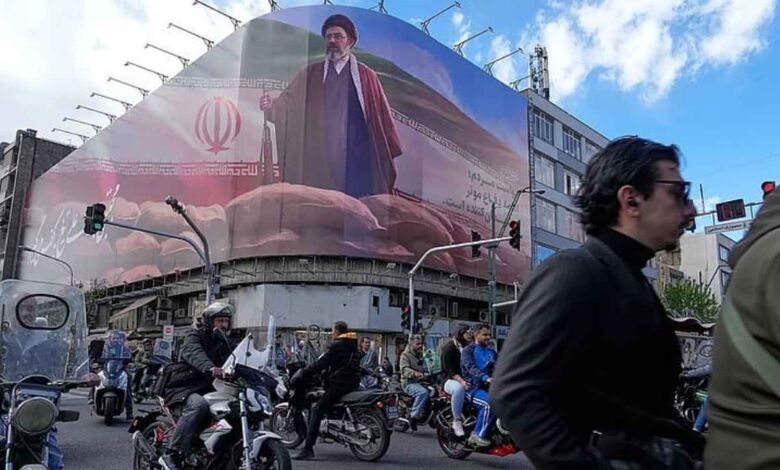
Tehran ;Global tensions between the United States and Iran have sharply escalated after strong warnings issued by former US President Donald Trump drew a fierce response from Tehran. Iran has made it clear that it will not bow to what it termed as “irresponsible threats,” further intensifying fears of a wider conflict in the Middle East.
Reacting to Trump’s statements, Iran’s Khatam al-Anbiya Central Headquarters said that repeated military setbacks have pushed the US leadership to resort to aggressive rhetoric. The command asserted that such threats would have no impact on ongoing operations by Islamic resistance groups targeting US and Israeli forces in the region.
Iran also stressed that these warnings cannot erase what it described as America’s “humiliation” in the Middle East. Officials indicated that their military strategy would continue uninterrupted, signalling a firm stance against any external pressure. The situation has grown more alarming with the Islamic Revolutionary Guard Corps hinting at intensifying its offensive actions.


Reports have emerged of missile and drone attacks across parts of the Gulf region, allegedly targeting US and allied military bases as well as critical infrastructure. While independent confirmation remains limited, the developments have heightened concerns about a possible large-scale military escalation.
The tensions follow Trump’s stark warning that if Iran failed to ensure the smooth functioning of the Strait of Hormuz, the US could target key infrastructure including power plants and bridges. His remarks that Iran could be “destroyed overnight” have drawn widespread international criticism.
Legal experts and human rights organisations have cautioned that targeting civilian infrastructure could amount to violations of international law and potentially constitute war crimes. The International Committee of the Red Cross has also urged all parties to adhere strictly to humanitarian laws, warning against actions that could endanger civilian lives.
The Strait of Hormuz remains a critical global oil transit route, carrying nearly 20 percent of the world’s oil supply. Any disruption in this region could trigger sharp increases in oil prices and destabilise global markets.
Iran has already warned of a “massive and severe retaliation” if further aggression continues. With both sides adopting increasingly hostile positions, the crisis risks spiralling into a broader regional conflict, drawing global attention to the fragile security situation in the Middle East.