Iran supreme leader Ayatollah Ali Khamenei killed in US-Israel strike, end of 36-year rule marks historic turning point

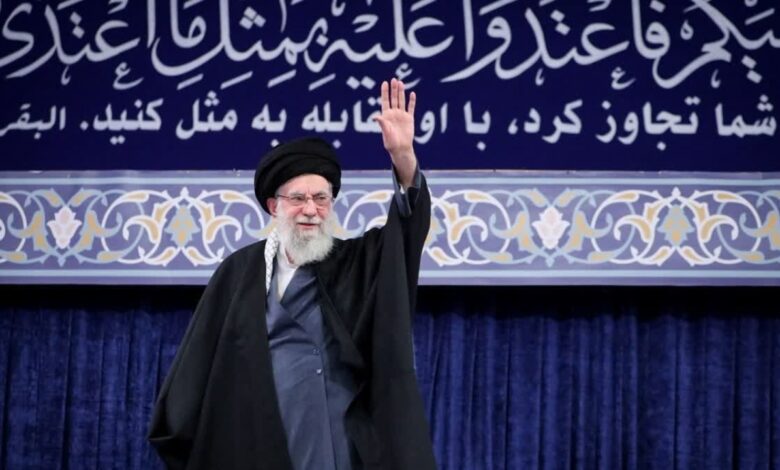
Tehran: Iran’s supreme leader Ayatollah Ali Khamenei has reportedly been killed in a joint military strike carried out by the United States and Israel, bringing an end to his 36-year rule over the Islamic Republic. His death marks a major geopolitical shift in West Asia and signals the conclusion of one of the most powerful and controversial leadership eras in modern Iranian history.
Khamenei, who became Iran’s supreme leader in 1989, exercised sweeping authority over the country’s political, military, and religious institutions. He played a decisive role in shaping Iran’s domestic policies and foreign relations, maintaining tight control over dissent and opposition. His leadership was widely criticized for suppressing protests and enforcing strict ideological governance.
Rise of a revolutionary leader
Born in 1939 in Mashhad, northeastern Iran, Ali Khamenei studied in Islamic seminaries in Najaf and Qom, where he developed strong religious and political views. He became actively involved in revolutionary movements against Shah Mohammad Reza Pahlavi and was arrested multiple times for anti-government activities. Following the 1979 Islamic Revolution led by Ayatollah Ruhollah Khomeini, Khamenei emerged as a key political figure and helped establish Iran’s Islamic governance structure.
He served as Iran’s president from 1981 to 1989 during the Iran-Iraq war, surviving an assassination attempt in 1981. After the death of Ayatollah Khomeini in 1989, Khamenei was unexpectedly appointed supreme leader despite initial opposition from religious scholars.

Iron-fisted rule and suppression of dissent
During his tenure, Khamenei was known for his uncompromising stance against opposition movements. Large-scale protests, including the disputed 2009 presidential election demonstrations and more recent civil unrest between late 2025 and early 2026, were suppressed with force. Thousands were reportedly killed, arrested, or silenced as the regime sought to maintain stability and authority.
Khamenei also exercised significant influence over Iran’s elected presidents, often intervening in key political decisions. His conflicts with leaders such as Mahmoud Ahmadinejad and reformist President Masoud Pezeshkian demonstrated his ultimate authority in Iran’s political system.
Military expansion and global confrontation
Under Khamenei’s leadership, Iran expanded its military capabilities and strengthened the Islamic Revolutionary Guard Corps (IRGC), transforming it into a powerful regional force. Iran also supported armed groups such as Hezbollah, Hamas, and the Houthis, increasing its influence across the Middle East.
Khamenei maintained a strong anti-Western stance, especially toward the United States. Relations worsened after former U.S. President Donald Trump withdrew from the Iran nuclear deal and imposed sanctions. Iran’s weakening economy, combined with military setbacks, including recent conflict with Israel, significantly eroded his authority in later years.
End of an era and uncertain future
Khamenei’s death comes at a time of internal unrest and external military pressure. Public dissatisfaction had been growing, with many Iranians criticizing his leadership for economic decline, repression, and international isolation.
His death leaves a leadership vacuum and raises serious questions about Iran’s political future, stability, and regional strategy. Analysts believe the transition could reshape Iran’s domestic governance and alter the balance of power in the Middle East.