Karnataka Reservoirs Receive Major Inflow as Hemavathi Gains 11 TMC and Key Dams Near Full Capacity
Continuous monsoon rainfall has significantly improved water storage across Karnataka as Hemavathi, Tunga, Almatti and Kabini reservoirs record strong inflows, bringing relief to farmers, irrigation projects and water management authorities.

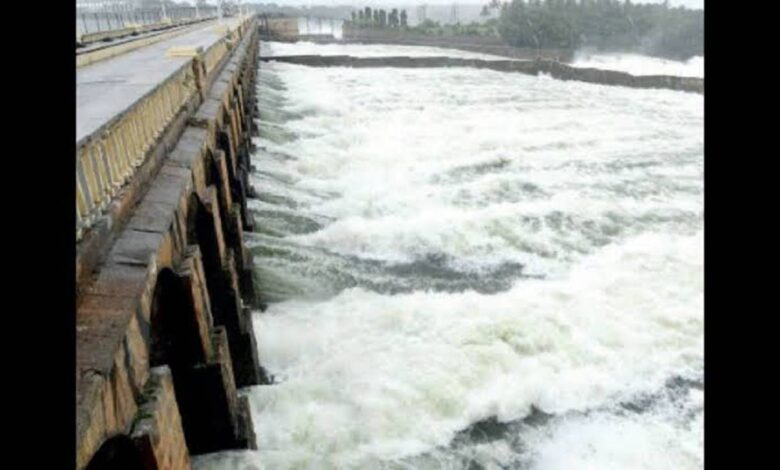
Steady monsoon showers over the past several weeks have transformed Karnataka’s water storage situation, offering much needed relief after widespread concerns about a possible drought earlier this season. Several major reservoirs across the state have witnessed a sharp rise in water levels, with Hemavathi Reservoir emerging as one of the biggest beneficiaries after receiving nearly 11 TMC of additional water in just one and a half months.
The improvement in reservoir storage has come at a crucial time for farmers who were worried about water availability for irrigation. Heavy rainfall across the Malnad region and catchment areas has boosted inflows into key reservoirs including Hemavathi, Tunga, Almatti and Kabini. Water resources officials continue to closely monitor the situation as inflows remain strong in several river basins.
Among the major reservoirs, the Hemavathi Reservoir in Hassan district has shown remarkable improvement. Once facing concerns over declining storage due to inadequate rainfall, the reservoir has now reached around 65 percent of its total capacity. The reservoir, which can store approximately 37 TMC of water, currently holds nearly 26 TMC following continuous inflows over recent weeks.
Officials reported that water levels at the reservoir have increased by nearly 19 feet compared to the beginning of June. Recent rainfall has further strengthened inflows, with more than 11000 cusecs of water entering the reservoir. Residents and farmers across Hassan district have welcomed the development, hoping it will ensure sufficient water for agriculture and drinking purposes during the coming months.


The positive trend is not limited to Hemavathi alone. The Tunga Reservoir at Gajanur in Shivamogga district has reached its full storage capacity after receiving heavy rainfall across the Western Ghats over the past few days. As the reservoir filled completely, authorities opened all 22 crest gates to safely release approximately 55000 cusecs of water into the Tunga River.
The full reservoir has brought significant relief to farming communities across Shivamogga, Davanagere, Ballari, Haveri and Gadag districts. Farmers who were anxious about delayed rainfall and irrigation shortages now expect better prospects for their crops as adequate water becomes available through canal systems and river flows.
Another major project showing encouraging numbers is the Almatti Reservoir in Vijayapura district. Built across the Krishna River, the reservoir has approached its maximum storage level due to strong inflows from upstream regions. The current water level stands close to its full reservoir level, indicating that the monsoon has been particularly beneficial for the Krishna basin this year.
Water inflow into Almatti has crossed 92000 cusecs, while authorities are simultaneously releasing over 111000 cusecs downstream to regulate storage and maintain safe operating levels. Controlled releases are being carried out to manage increasing inflows while ensuring downstream safety.
The Kabini Reservoir in Mysuru district has also registered healthy inflows as rainfall continues across its catchment areas. Water levels at the reservoir have improved steadily compared to previous weeks, with nearly 1709 TMC of total storage currently available. Out of this, over 7 TMC remains usable for water supply and irrigation requirements.
Officials recorded an inflow of approximately 11747 cusecs into Kabini, while about 500 cusecs are being released into the river. The catchment region surrounding the reservoir received around 60 millimetres of rainfall over the last 24 hours, contributing further to rising storage levels.
The improvement in Karnataka’s reservoirs is largely attributed to consistent rainfall across the Western Ghats and Malnad regions. These areas serve as the primary catchment zones for many of the state’s major river systems. As rainfall continued over the past several weeks, rivers carried substantial volumes of water into reservoirs that had earlier shown signs of stress.
The increase in water storage comes as welcome news for irrigation authorities who had been preparing contingency plans in case rainfall remained below normal. Better reservoir levels now improve the outlook for agriculture, drinking water supply and hydroelectric generation in many parts of the state.
Experts believe that if rainfall continues at a moderate pace during the remaining monsoon period, Karnataka could enter the post monsoon season with comfortable reservoir storage. This would strengthen water availability for both urban and rural regions while reducing pressure on groundwater resources.
For farmers, especially those cultivating paddy, sugarcane and other water intensive crops, the improving reservoir situation brings renewed confidence. Irrigation schedules are expected to become more stable, reducing uncertainty that had affected agricultural planning earlier in the season.
Water resource officials have nevertheless urged continued monitoring of inflows and river conditions, particularly in regions experiencing heavy rainfall. Reservoir operations will continue to balance storage needs with flood management to ensure downstream safety.
Overall, the latest reservoir figures indicate that Karnataka’s water resources have improved significantly within a relatively short period. With Hemavathi recording an impressive 11 TMC increase and Tunga reaching full capacity, the state has received a timely boost from the southwest monsoon. Continued rainfall over the coming weeks could further strengthen reservoir storage and support agriculture, drinking water supplies and overall water security across Karnataka.