Iran rejects trump’s 15-point proposal, calls demands unrealistic amid rising tensions

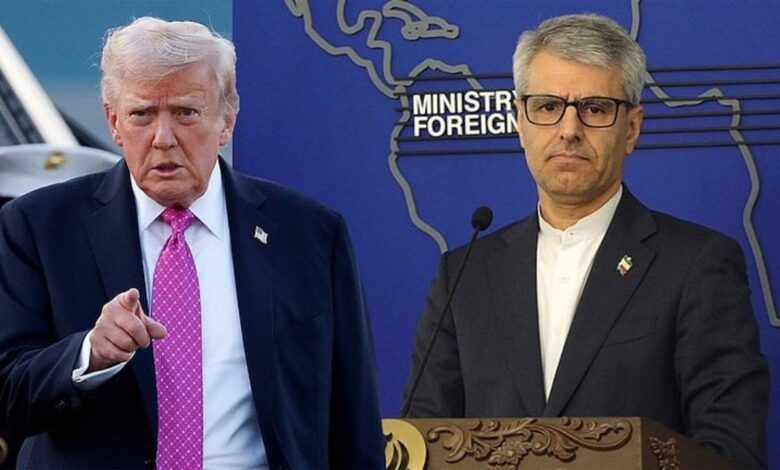
Tehran : Iran has strongly rejected a 15-point proposal put forward by former US President Donald Trump aimed at ending the ongoing conflict in the region, calling the terms “unrealistic” and “excessive.” The development marks a fresh escalation in diplomatic tensions between Washington and Tehran, even as global concerns over instability continue to grow.
Iran’s Foreign Ministry spokesperson Esmail Baghaei dismissed the proposal, stating that many of the demands outlined by the US were impractical and lacked balance. Addressing a press conference on Monday, Baghaei said, “The list presented by the United States contains mostly excessive, unrealistic and unreasonable demands. Such a framework cannot form the basis of any meaningful resolution.”
The statement directly contradicts earlier claims made by Donald Trump, who had asserted that Iran had agreed to “most” of the conditions in the proposal. Iranian officials have categorically denied this, clarifying that no such agreement has been reached.


Baghaei also emphasized that there have been no direct negotiations between Iran and the United States in recent times. “We have not held any direct talks with the United States so far. Messages have only been exchanged through intermediaries,” he stated, as reported by state media.
The rejection of the proposal comes at a time when geopolitical tensions in the region are already high. Reports suggest that Trump had also floated the idea of taking control of Iran’s key oil infrastructure, including the strategic Kharg Island, a move that has further aggravated tensions.
The situation has also had a significant impact on global energy markets. Following Trump’s remarks, oil prices surged sharply, with Brent crude reportedly crossing $116 per barrel. Analysts say the volatility highlights how sensitive global markets remain to developments involving Iran and the broader Middle East region.
Meanwhile, reports of recent attacks have added to the gravity of the situation. Iranian state media claimed that at least two people were killed in a strike on an orphanage in Tehran, allegedly carried out by US-Israeli forces. On the other hand, Israeli authorities reported damage to a major oil refinery complex following retaliatory strikes.
With no direct dialogue currently underway and both sides maintaining hardline positions, prospects for immediate de-escalation appear uncertain. The rejection of the proposal underscores the deep divide between the two nations and raises concerns about further escalation in the coming days.
Iran’s firm stance indicates that any future negotiations would require a more balanced and realistic approach, while the global community continues to watch closely as tensions unfold.