Samsung Galaxy Z Fold 8 Ultra vs Vivo X Fold 6 vs Pixel 10 Pro Fold: Which Foldable Wins?
Samsung, Vivo, and Google bring powerful foldable smartphones with flagship processors, premium displays, advanced cameras, and unique features competing for the best foldable title.

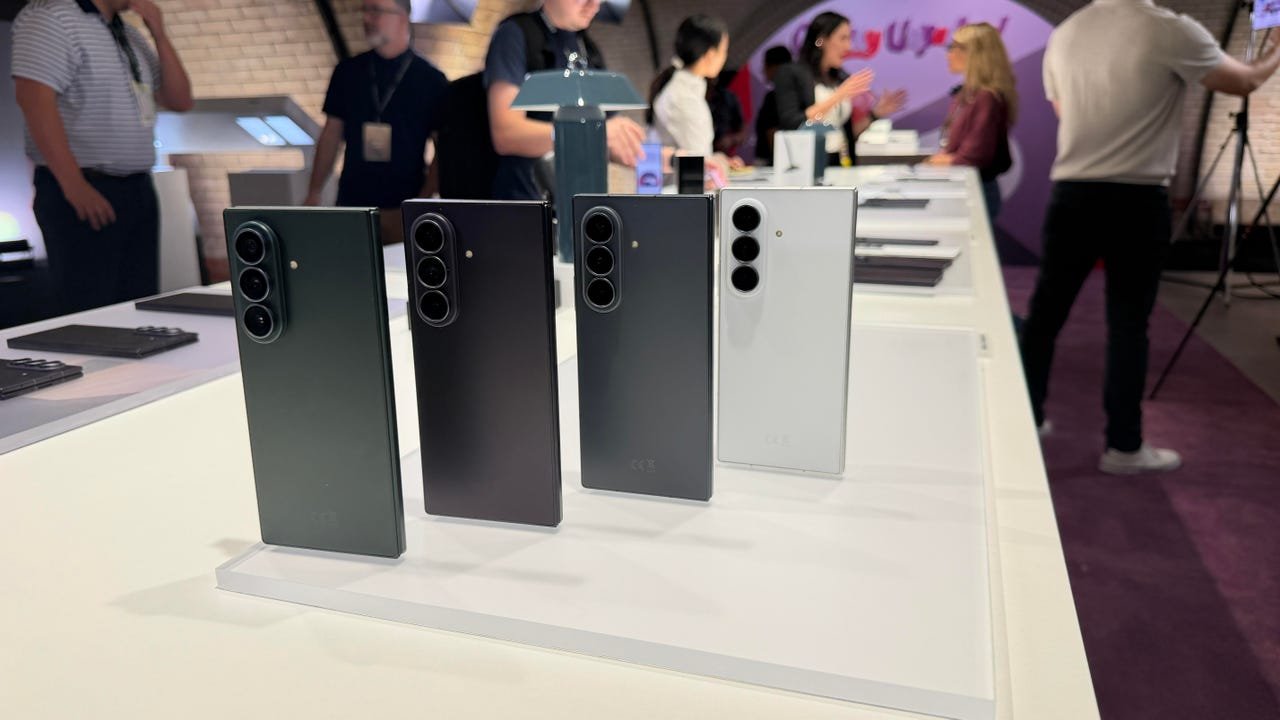
Samsung, Vivo, and Google bring premium foldable smartphones with powerful processors, advanced cameras, large displays, and flagship features competing for top position.
The foldable smartphone segment has become one of the most competitive categories in the premium phone market. Samsung has expanded its lineup with the Galaxy Z Fold 8 Ultra, which now faces strong competition from devices like the Vivo X Fold 6 and Google Pixel 10 Pro Fold.
All three smartphones offer flagship level specifications, including high performance chipsets, large foldable displays, advanced camera systems, and premium designs. However, differences in pricing, battery capacity, software experience, and hardware features make each device suitable for different types of users.
Here is a detailed comparison between the Samsung Galaxy Z Fold 8 Ultra, Vivo X Fold 6, and Google Pixel 10 Pro Fold.


Price Comparison
Samsung Galaxy Z Fold 8 Ultra sits at the premium end of the segment. Its 12GB RAM and 256GB storage model is priced at Rs 1,99,999, while the 12GB RAM and 512GB storage variant costs Rs 2,19,999.
The Vivo X Fold 6 is comparatively more affordable in the international market. Its 12GB RAM and 256GB storage model is priced at CNY 7,999, around Rs 1,11,000. The 12GB RAM and 512GB storage version costs CNY 8,999, around Rs 1,25,000, while the 16GB RAM and 512GB model is priced at CNY 9,999, around Rs 1,39,000.
Google Pixel 10 Pro Fold falls between Samsung and Vivo in terms of pricing. The 16GB RAM and 256GB storage variant is priced at Rs 1,72,999.
Display and Design
Samsung Galaxy Z Fold 8 Ultra features an 8 inch AMOLED inner display along with a 6.5 inch AMOLED cover screen. Both displays support up to 120Hz variable refresh rate, while the primary display offers up to 3,000 nits peak brightness.
Vivo X Fold 6 comes with a slightly larger 8.02 inch foldable AMOLED inner display with a resolution of 2504 x 2312 pixels, 120Hz refresh rate, and 424 ppi pixel density. It also includes a 6.51 inch AMOLED cover display with 120Hz refresh rate and the same pixel density.
Google Pixel 10 Pro Fold features an 8 inch OLED foldable display with a 120Hz refresh rate and up to 3,000 nits brightness. The outer display measures 6.4 inches and supports a 60Hz to 120Hz adaptive refresh rate with up to 3,000 nits peak brightness.
Performance and Processor
Samsung Galaxy Z Fold 8 Ultra is powered by the Qualcomm Snapdragon 8 Elite Gen 5 chipset, making it one of the most powerful processors in the foldable category.
Vivo X Fold 6 uses the MediaTek Dimensity 9500 Super processor, designed to deliver strong flagship performance and improved efficiency.
Google Pixel 10 Pro Fold comes with Google’s 3nm Tensor G5 processor, focusing on artificial intelligence features, smart processing, and optimized software performance.
RAM and Storage Options
Samsung Galaxy Z Fold 8 Ultra offers up to 16GB RAM and up to 1TB internal storage.
Vivo X Fold 6 provides up to 16GB LPDDR5x Ultra RAM and up to 1TB UFS 4.1 storage, giving users more high speed storage options.
Google Pixel 10 Pro Fold comes with 16GB RAM but offers up to 256GB internal storage, which is lower compared to Samsung and Vivo.
Software Experience
Samsung Galaxy Z Fold 8 Ultra runs on Android 17 with One UI 9, offering Samsung’s customized foldable interface and Galaxy AI features.
Vivo X Fold 6 operates on Android 16 based OriginOS 6 Fold, optimized for foldable usage.
Google Pixel 10 Pro Fold runs on Android 16 and focuses heavily on Google’s AI powered features and clean software experience.
Camera Comparison
Samsung Galaxy Z Fold 8 Ultra comes with a triple rear camera setup featuring a 200 megapixel wide angle camera, a 50 megapixel ultra wide camera, and a 10 megapixel telephoto camera.
Vivo X Fold 6 also features a powerful camera system with a 200 megapixel primary sensor, a 50 megapixel ultra wide camera, and a 50 megapixel periscope telephoto camera.
Google Pixel 10 Pro Fold includes a 48 megapixel primary camera, a 10.5 megapixel ultra wide angle camera with 127 degree field of view, and a 10.8 megapixel telephoto camera.
For selfie and video calls, Samsung offers a 10 megapixel front camera. Vivo provides dual 20 megapixel front cameras, while Google Pixel 10 Pro Fold comes with two 10 megapixel front cameras.
Battery and Charging
Battery performance is one area where Vivo X Fold 6 leads. It packs a 7,000mAh battery with support for 80W wired fast charging and 40W wireless charging.
Samsung Galaxy Z Fold 8 Ultra comes with a 5,000mAh battery supporting 45W wired charging and 20W wireless charging.
Google Pixel 10 Pro Fold includes a 5,015mAh battery with 30W wired charging and 15W Qi2 wireless charging support.
Connectivity Features
Samsung Galaxy Z Fold 8 Ultra supports 5G, Wi Fi 7, Bluetooth, and USB Type C connectivity.
Vivo X Fold 6 offers 5G, 4G LTE, Wi Fi 7, Bluetooth 5.4, USB Type C, NavIC, and GPS support.
Google Pixel 10 Pro Fold comes with 5G, Wi Fi 7, Bluetooth v6, NFC, GPS, and USB Type C 3.2 connectivity.
Final Verdict
The Samsung Galaxy Z Fold 8 Ultra stands out with its premium build, powerful Snapdragon processor, advanced camera setup, and mature foldable software experience. Vivo X Fold 6 offers a strong alternative with a larger battery, faster charging, and competitive hardware at a lower price point.
Google Pixel 10 Pro Fold focuses on smart software features, AI capabilities, and Google’s clean Android experience. Choosing the best foldable ultimately depends on whether users prioritize premium performance, battery life, or software intelligence.