Global Smartphone Sales Hit Lowest Level Since 2013 as Samsung Reclaims Top Spot
Global smartphone shipments dropped sharply in the second quarter of 2026 as memory shortages pushed prices higher, while Samsung regained the leading position ahead of Apple despite challenging market conditions.

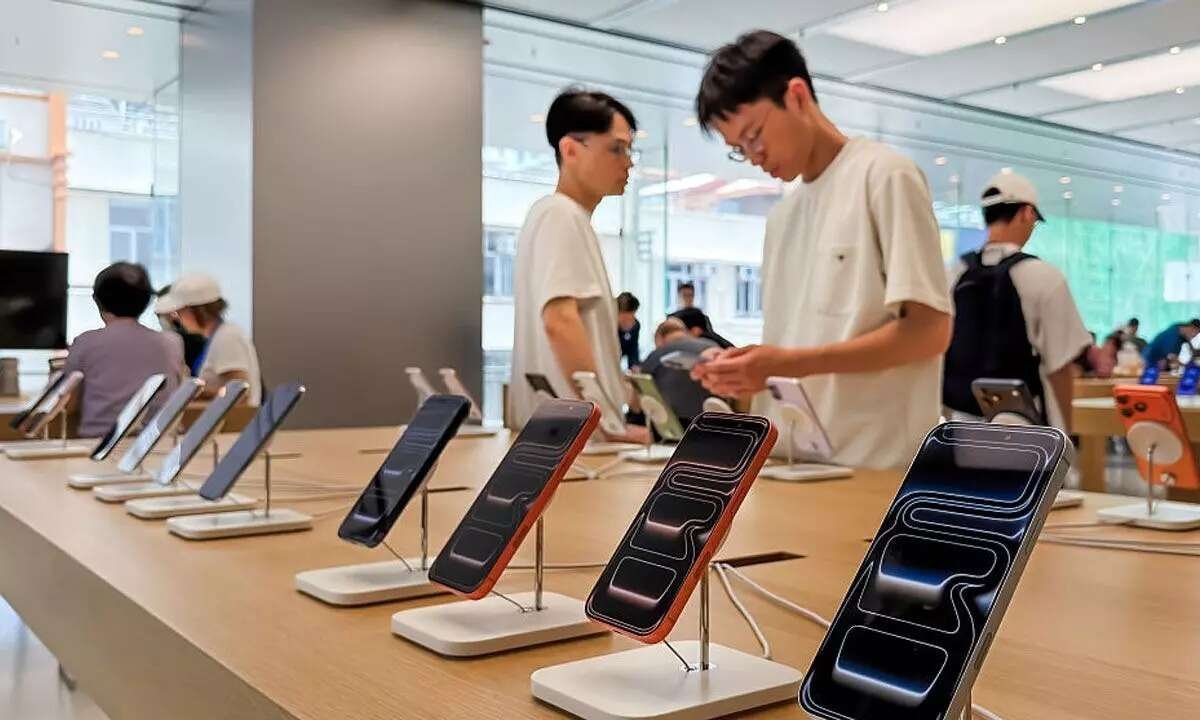
The global smartphone market has entered one of its toughest phases in more than a decade. According to a new industry report, worldwide smartphone shipments declined by 11 percent year over year during the second quarter of 2026, marking the weakest second quarter performance since 2013. Rising component costs and limited supply of critical memory chips are being blamed for the slowdown, forcing manufacturers to rethink pricing and production strategies.
Despite the difficult market environment, Samsung managed to emerge as the world’s largest smartphone brand during the quarter. The company overtook Apple and secured the top position with a 24 percent global market share, supported by strong demand in key markets such as India and the Middle East. Industry analysts credit Samsung’s steady product availability, relatively modest price increases and seasonal promotional campaigns for helping it outperform competitors.
The report notes that Samsung’s Galaxy S26 series, particularly the Galaxy S26 Ultra, continued to attract strong consumer interest. While many brands struggled with falling shipments, Samsung recorded the strongest annual growth among the leading smartphone manufacturers.
One of the biggest reasons behind the industry’s slowdown is the ongoing shortage of RAM and NAND memory chips. Memory manufacturers are increasingly prioritizing supplies for artificial intelligence data centers, leaving smartphone makers with fewer components and significantly higher procurement costs. As a result, many companies have been forced to increase smartphone prices, making new devices less affordable for consumers.


The impact of rising prices is now becoming increasingly visible. Many buyers are choosing to delay smartphone upgrades, continue using older devices or shift toward refurbished models instead of purchasing new handsets. This change in consumer behavior has further contributed to weaker global demand.
According to the report, smartphone brands have adopted different strategies to cope with the current situation. Some manufacturers have raised retail prices while accepting lower profit margins. Others are extending the sales cycle of existing models and introducing discounts to maintain customer interest. Several companies have also slowed the launch schedule and production of new smartphones until supply conditions improve.
Apple finished the quarter in second place with a 20 percent global market share. Although it lost the number one ranking, the company still recorded a three percent year over year increase in shipments. Analysts noted that Apple has largely avoided increasing iPhone prices despite the challenging market, even though prices of some of its other products have been revised upward. The iPhone 17 series remained among the best shipping smartphone lineups globally, although Apple experienced weaker demand in China.
The report also highlighted that Xiaomi, OPPO and vivo faced steeper shipment declines compared to some of their rivals. Since these brands generate a significant portion of their sales from entry level and midrange smartphones, they have been more heavily affected by memory shortages and rising component costs.
Beyond the semiconductor shortage, broader economic and geopolitical factors have added further pressure on the smartphone industry. Ongoing tensions in parts of the Middle East have increased shipping and oil costs, affecting global supply chains and raising manufacturing expenses. These challenges have made it even more difficult for smartphone brands to maintain competitive pricing.
Industry analysts believe the market could remain under pressure for an extended period. Forecasts suggest that global smartphone shipments may decline by around 14 percent across 2026, while shortages of RAM and NAND memory are expected to continue into 2027. If supply constraints persist, manufacturers may reduce the number of lower margin models, introduce revised storage configurations and place greater emphasis on premium smartphones, financing offers, artificial intelligence features and refurbished devices to sustain sales.
Although the current market remains challenging, premium smartphones are expected to perform better than budget models. Consumers looking for long term software support, advanced AI capabilities and integrated device ecosystems continue to show interest in flagship devices, offering brands an opportunity to maintain growth even during a broader industry slowdown.