Textbook Shortage Leaves Thousands of Kannada Medium Students in Border Areas Waiting
More than 10000 Kannada medium students in border region schools continue without complete textbooks weeks after classes began raising concerns over learning delays and growing frustration among parents and teachers.

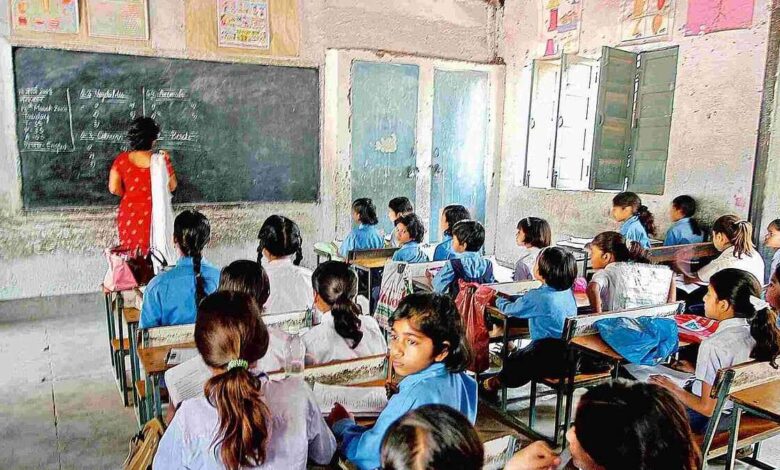
More than a month after the new academic year began, thousands of Kannada medium students studying in schools along the Karnataka borders with Andhra Pradesh and Telangana are still waiting to receive their complete set of textbooks. The delay has sparked widespread concern among parents, teachers, and education activists, who say the shortage is affecting classroom learning during the crucial early weeks of the school year.
According to reports, over 10000 students enrolled in 16 primary schools and 17 high schools located in border regions have not yet received textbooks for all subjects. As a result, teachers have been forced to improvise by asking several students to share a single book during lessons, making it difficult for children to study effectively or complete assignments independently.
In many classrooms, one textbook is reportedly being shared by seven or eight students. To reduce the impact of the shortage, schools have also collected old textbooks from last year’s students wherever possible. While these temporary arrangements have allowed classes to continue, educators say they are far from an ideal solution and cannot replace timely distribution of new learning materials.
Teachers point out that the demand for textbooks was submitted to the education department as early as May, well before the academic session began. Despite completing the required procedures, schools are still waiting for the remaining books, leaving both teachers and students struggling to maintain the pace of the syllabus.
Education activists believe the issue extends beyond a simple supply delay. They argue that continued neglect of Kannada medium schools in border areas could encourage families to shift their children to Telugu or English medium institutions. Such a trend, they warn, may gradually weaken Kannada language education in regions where these schools have served local communities for generations.
Several historic Kannada medium schools located in villages including Krishna Mandal, Maganur, Kunsagi, Hindupur, Gulyam, Holagunda, Hasanala, Badinehal, Kuntanala, Sulekere, Bapura, Doddaharivana, Nadichagi, Rauduru, Adoni, Kautalam, and Halaharavi have reportedly been functioning for more than a century. Activists say these institutions now face growing challenges because of inadequate support and delayed educational resources.
Concerns have also been raised about students from these border regions facing difficulties in accessing hostel facilities. Activists claim that some children who choose to study in Karnataka schools are reportedly denied hostel admission because they are not considered residents of the state, creating additional barriers for families seeking Kannada medium education.
Officials from the Raichur School Education Department have acknowledged the delay and stated that the request for textbooks has already been forwarded to the government. They said supplies are arriving in phases and are being distributed gradually to Kannada medium schools located in neighbouring states and border regions.
Parents, however, insist that immediate action is needed. They argue that every day without proper textbooks puts students at an academic disadvantage and affects their confidence in the classroom. Many families believe that ensuring timely delivery of learning materials should be a basic responsibility of the education system, especially for children studying in remote border areas where educational resources are already limited.