
Noni Fruit Gaining Attention as Natural Remedy for Multiple Health Problems
Noni fruit, long used in traditional medicine, is now regaining popularity as people turn back to natural remedies for immunity, chronic illness relief, and overall wellness support in daily life

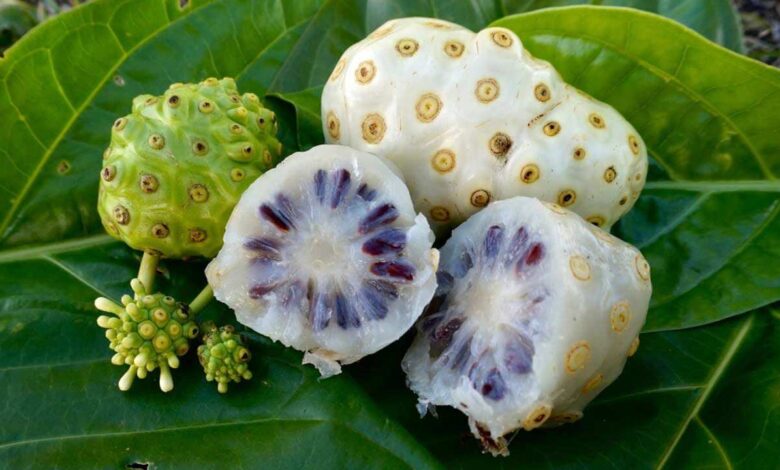
In recent years, changing lifestyles and rising health concerns have pushed many people to look back at traditional and natural healing methods. Among the many herbal options gaining renewed attention, the Noni plant has emerged as a powerful natural remedy that is once again being discussed widely in wellness circles. Known scientifically as Morinda citrifolia, it is also called Indian Mulberry and is found growing easily in tropical regions including India.
Interestingly, this plant is not new to traditional medicine systems. For centuries, it has been valued in Ayurveda for its wide range of health benefits. It usually grows as a small tree or dense shrub with thick green leaves and strong branching patterns. The plant is known for its ability to survive in different weather conditions, making it a common sight in many rural and coastal areas.
The fruit itself has a very unusual appearance compared to common fruits. It looks somewhat like a rough potato with bumpy skin and changes color from green to a pale yellow or whitish shade when fully ripe. One of its most distinctive features is its strong smell, which many people find quite intense. The taste is slightly bitter, which is why it is rarely consumed directly and is more commonly used in juice form or health supplements.
Health experts and traditional practitioners often describe Noni as a nutrient rich fruit packed with vitamin C, vitamin B3, iron, potassium, and a wide range of antioxidants. These natural compounds are believed to help strengthen the immune system and protect the body from seasonal infections by supporting cell health and reducing oxidative stress.

One of the most talked about benefits of Noni is its potential role in easing joint pain and inflammation. Many people who include it in their routine say it works like a natural support for reducing discomfort in joints. It is also widely discussed for its possible role in managing lifestyle related conditions such as blood pressure and blood sugar levels when consumed regularly as part of a balanced diet.
Beyond physical health, Noni is also linked to mental well being. Some studies and traditional beliefs suggest that it may help in balancing serotonin levels in the brain, which can contribute to better mood stability and reduced stress. This is one reason it is often associated with improved sleep quality and relief from insomnia in natural wellness practices.
The fruit is also gaining attention for its skin and hair related benefits. Its antioxidant properties are believed to help slow down signs of aging, support healthier skin, and reduce hair fall by improving scalp health. Because of these wide ranging uses, interest in Noni cultivation is slowly increasing among farmers who prefer organic and chemical free farming methods.
As more people search for natural alternatives to support their health, Noni is finding a place once again in everyday wellness conversations. While it is not a magical cure, its traditional use and nutrient profile continue to make it a notable natural addition for those exploring holistic health approaches.