Soujanya Case Material Object 15 Gains Fresh Attention
The Supreme Court has ordered an SIT investigation into the Soujanya case, with Material Object 15 and eight potential witnesses drawing renewed attention during the probe under new directions issued.

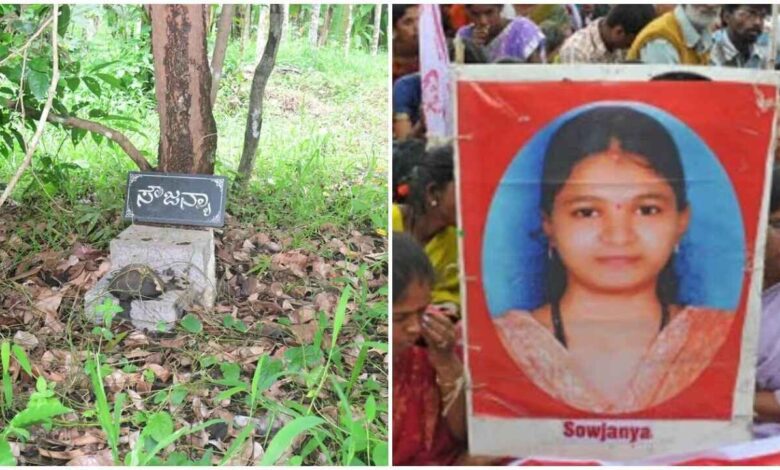
A piece of evidence from the long running Soujanya case has returned to the centre of attention after the Supreme Court directed a fresh investigation. The court has allowed investigators to examine evidence that was already collected during the earlier investigation, including Material Object 15, identified as a clothing item belonging to Soujanya.
The importance of this evidence comes from the biological material reportedly found on the clothing. Investigators had earlier recorded the presence of hair belonging to people other than the accused who had been examined in the case. The Supreme Court has indicated that such existing evidence can still have relevance if investigators identify people whose samples can now be compared through forensic testing.
This has given Material Object 15 renewed importance in the investigation. Rather than treating older evidence as automatically unusable because of the passage of time, the fresh probe can examine whether material already collected can provide useful leads.
The DNA angle could become particularly important if the new SIT identifies previously unexamined suspects or persons of interest. Their biological samples could potentially be compared with material available from the earlier evidence, subject to forensic procedures and the findings of investigators.


The court has also drawn attention to eight potential witnesses connected with the case. The Supreme Court had earlier directed that these individuals be located and provided protection. Their identification and the possibility of obtaining information from them could therefore form another part of the renewed investigation.
The attention on these witnesses is significant because questions have been raised about why they were not located and examined during the earlier investigations. The fresh SIT will now have an opportunity to examine the available information and determine what relevance their statements may have.
The Supreme Court has ordered the Karnataka authorities to constitute a new SIT with officers who have experience in modern investigative technology. The team is to be headed by a senior police officer, while officers who were part of earlier investigations by the Belthangady police, CID or CBI have been excluded from the new team.
The court has also set a three month period for the fresh investigation. After completing the probe, the SIT is required to submit its police report before the appropriate court, after which the matter will proceed according to law.
Another important part of the Supreme Court order concerns Santosh Rao. Since he had already faced trial and was acquitted, the court has not permitted him to be subjected to another prosecution in the same matter. The protection available under the relevant constitutional and criminal procedure provisions was taken into account.
At the same time, the fresh investigation can examine the alleged roles of Mallik Jain, Dheeraj Jain and Uday Jain. The court has made it clear that allowing an investigation into their alleged roles does not mean that they have been found guilty. Any conclusion about their involvement will depend on the evidence collected during the investigation.
The case dates back to 2012, when Soujanya, then a 17 year old college student from Dakshina Kannada district, went missing while returning home from college. Her death subsequently led to an investigation that passed through different agencies.
The initial investigation was handled by Belthangady police before the case was transferred to the CID and later to the CBI. The CBI had filed a case against Santosh Rao, but the CBI special court later acquitted him, citing the evidence available at trial. The Karnataka High Court subsequently rejected the appeal against that acquittal.
The family later sought a fresh investigation. The Karnataka High Court had rejected that request in 2024, while the Supreme Court has now taken a different view and ordered a new SIT probe.
The renewed investigation therefore brings several old pieces of evidence back into focus. Material Object 15, the eight potential witnesses and other available records can now be examined together by investigators who were not part of the earlier investigation teams.
Forensic evidence may also receive greater attention because advances in investigative technology can allow authorities to examine existing material in ways that were not previously possible. Whether any such examination produces a meaningful lead, however, will depend on the condition of the evidence and the results of scientific testing.
The fresh investigation does not itself establish the guilt of any individual. Its purpose is to examine the available evidence, pursue possible leads and submit the findings to the appropriate court.
After years of legal proceedings, the Supreme Court order has therefore opened a new investigative phase in the Soujanya case. The coming three months are expected to focus on the existing evidence, potential witnesses and forensic leads available to the new SIT.