Opposition Slams Karnataka Decision to Allow PU Lecturers to Teach Classes Nine and Ten
The Karnataka government decision to assign PU lecturers to secondary school classes has sparked political criticism with concerns over consultation teaching quality and the impact on students across institutions.

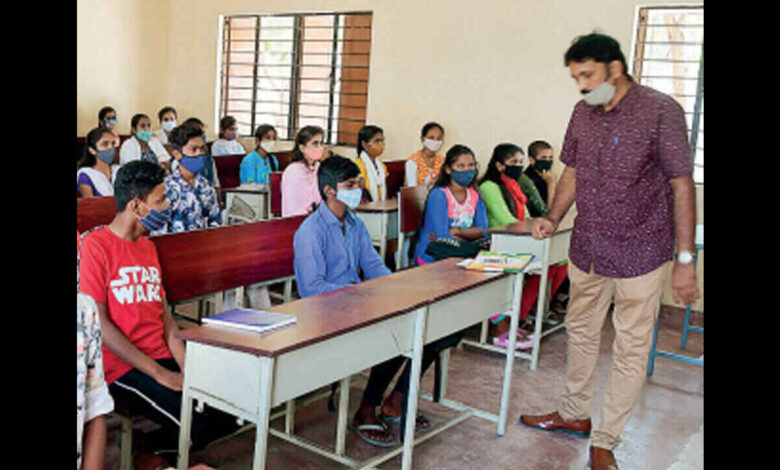
The Karnataka government has come under criticism after issuing a revised notification allowing Pre University lecturers to teach students in Classes Nine and Ten. The move has triggered political opposition, with state BJP president B Y Vijayendra describing the decision as harmful to both students and lecturers while demanding that it be withdrawn.
The revised rules, issued under the Karnataka General Services Pre University Education framework, state that lecturers appointed through direct recruitment or promotion in the future can be assigned teaching responsibilities in government designated secondary schools for Classes Nine and Ten. The amendment follows a draft notification that had been released in June inviting public objections before the final rules were notified.
Reacting strongly to the development, Vijayendra questioned the rationale behind the policy and accused the government of introducing a major educational reform without consulting key stakeholders. According to him, such a decision should have been discussed with lecturers, principals, students, parents, education experts and other interested groups before being implemented.
He argued that the government has justified the move by citing a shortage of teachers in secondary schools. However, he maintained that shifting PU lecturers to high school classrooms is not a sustainable solution and could create new challenges instead of resolving existing ones.


Vijayendra expressed concern that assigning lecturers to teach at both levels would divide their attention and reduce the quality of education available to students. He said PU students as well as those in Classes Nine and Ten could both be affected if lecturers are expected to handle responsibilities across different academic stages.
The BJP leader also criticized what he described as a unilateral approach by the government. He said a policy that directly affects lakhs of students and thousands of lecturers should not be introduced without detailed study or broad consultation. In his view, the decision reflects poor planning and does not align with the principles of transparent governance.
He further remarked that the government had taken an important policy decision even though the state currently does not have a full time Education Minister. Referring to this situation, Vijayendra questioned how such a significant change could be approved without dedicated political leadership overseeing the education portfolio.
Supporters of the policy believe the amendment could help address teacher shortages in government secondary schools, particularly in institutions facing staffing gaps. They argue that experienced PU lecturers may strengthen academic standards where qualified teachers are unavailable. However, critics insist that filling vacancies through proper recruitment would be a better long term solution than redistributing existing teaching staff.
The issue has now sparked wider discussion among educators and parents about balancing resources across different levels of the education system. Many believe that while addressing teacher shortages is important, any major structural change should be carefully planned to avoid affecting classroom learning.
With objections continuing to emerge, attention is now focused on whether the Karnataka government will review the amended rules or move ahead with implementing the new policy. The debate highlights the broader challenge of improving educational standards while ensuring that reforms receive adequate consultation and support from all stakeholders.