Newcastle Disease Raises Concern Among Poultry Farmers As Chicken Deaths Reported
Newcastle disease is not a new illness, but outbreaks can cause severe losses in poultry, making vaccination, hygiene, isolation and veterinary guidance important for farmers during outbreaks and flock management.

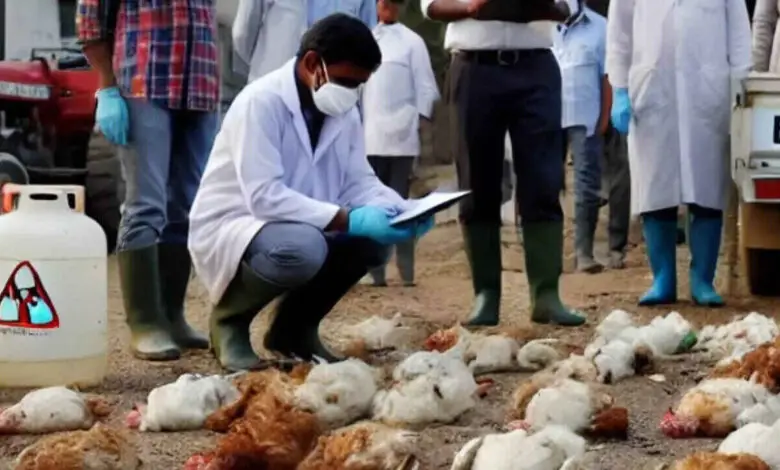
Reports of chickens dying in large numbers have caused concern among poultry farmers in parts of the district. Several native chickens have reportedly died within a short period, leaving farmers worried about further losses in their flocks.
The deaths have also raised questions about whether Newcastle disease, commonly known as Ranikhet disease, could be responsible. Farmers have been seeking veterinary advice and assistance as the illness appears to spread quickly when poultry are kept in close groups.
In one reported case from Thamalenahalli village in Jagalur taluk, a poultry farmer said chickens had been dying one after another for several days. Another incident was reported from Ramagondanahalli in Davanagere taluk, where around 850 chickens were reportedly found dead in a single day.
Farmers have expressed frustration over the situation and have called for quicker veterinary intervention and proper testing. They say identifying the actual cause of the deaths is important because different poultry diseases can produce similar symptoms, while the appropriate response can vary.


What Is Newcastle Disease
Newcastle disease, also called Ranikhet disease, is a highly contagious viral infection that affects birds, particularly domestic poultry. It is caused by Newcastle disease virus, a virus belonging to the paramyxovirus group.
The disease has been recognised for many decades and is not a newly emerged illness. The name Ranikhet became associated with the disease after it was reported in the Ranikhet area of India. Newcastle disease can occur in different forms, with severity depending on the virus strain, age of the birds, immunity and other factors.
One of the major concerns for poultry farmers is its ability to move quickly through a flock. Infected birds can spread the virus through respiratory secretions and droppings, while contaminated equipment, clothing, footwear and other materials can also contribute to transmission.
Farmers therefore need to take unusual deaths or sudden illness seriously, particularly when several birds begin showing symptoms around the same time.
Common Symptoms In Chickens
The symptoms can vary, but affected birds may show unusual weakness, reduced appetite and difficulty breathing. Some birds may remain in one place for long periods and appear less active than normal.
Nervous system signs can also occur in some cases. These may include twisting of the neck, difficulty walking, weakness in the legs or wings and problems maintaining balance.
Changes in droppings may also be noticed, including loose greenish or whitish faeces. Egg laying birds can experience a significant decline in egg production when affected by the disease.
However, these signs are not enough to confirm Newcastle disease on their own. Similar symptoms can occur with other poultry infections and health problems. Laboratory testing and veterinary examination are important when a flock experiences sudden or unexplained deaths.
Why Early Action Matters
Because Newcastle disease can spread rapidly, farmers should not wait for the situation to worsen before seeking professional advice. Birds showing signs of illness should be separated from healthy birds where practical, while unnecessary movement of people, birds and equipment between flocks should be avoided.
Maintaining cleanliness around poultry sheds is equally important. Feeders, drinkers, cages and other equipment should be cleaned regularly, and suitable disinfectants should be used according to veterinary or product instructions.
New birds should also be handled carefully and kept separate from an existing flock for an appropriate observation period before being introduced. Good farm biosecurity can reduce the chances of infectious diseases moving between birds and farms.
Vaccination remains an important tool for preventing Newcastle disease. Poultry vaccination schedules can vary depending on the type of birds, local disease conditions and the production system. Farmers should therefore follow a vaccination programme recommended by a qualified veterinarian rather than relying on a single schedule for every flock.
There is no simple specific medicine that eliminates the Newcastle disease virus from an infected bird. Veterinary care can still be important for assessing the flock, managing complications and reducing further spread. The response depends on the severity of the outbreak and the type of poultry operation involved.
Farmers should also dispose of dead birds safely and follow local veterinary or animal health instructions. Dead poultry should not be left exposed or discarded carelessly because this can increase the risk of disease spreading.
The recent reports of poultry deaths have highlighted the need for timely diagnosis and stronger communication between farmers and veterinary authorities. For poultry owners, early reporting, vaccination, farm hygiene and proper biosecurity can make a significant difference in protecting healthy birds.
If several chickens begin dying suddenly, farmers should contact the nearest veterinary hospital or animal husbandry authority without delay. Confirming the cause through proper examination and testing is essential before deciding on further action.