Karnataka Air Quality Report Shows Mixed Conditions Across Major Cities
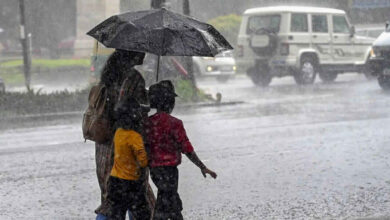
Monsoon showers are keeping air quality relatively comfortable across much of Karnataka, although traffic and road dust are pushing pollution levels higher in several major cities.


Karnataka is seeing a mixed picture in air quality as monsoon rain and cooler winds continue to influence pollution levels across the state. While several cities are recording relatively comfortable conditions, traffic movement and construction activity are contributing to higher readings in some urban areas.
Bengaluru remains in the satisfactory category, with the average Air Quality Index reported at around 72 to 75. The reading indicates that air pollution is present but remains within a range generally associated with limited health impact for most people.
Pollution levels are not uniform across the city. Areas such as BTM Layout, Peenya, City Railway Station and parts of Mysuru Road can record higher readings because of heavy traffic and roadside dust. In comparison, areas around Cubbon Park, Lalbagh and some outer parts of the city can experience cleaner air, particularly after rainfall.
The situation is somewhat different in parts of northern and coastal Karnataka. Hubballi Dharwad, Mangaluru, Vijayapura and Bidar have reported AQI readings above 110 in the supplied data. Traffic congestion, road work and dust are among the factors contributing to the higher pollution levels in these locations.


Hubballi Dharwad has an AQI of about 115, while Mangaluru is also around 115. Vijayapura has recorded about 112 and Bidar around 116. Under the CPCB classification, readings between 101 and 200 fall into the moderate category, rather than the poor category.
Other cities are showing comparatively lower readings. Udupi has an AQI of around 62, while Mandya is around 71. Davanagere has been reported at about 60, Hassan at 74 and Kolar at 73. These levels remain within the satisfactory range under the national AQI classification.
Shivamogga, Chikkamagaluru, Karwar and Kodagu have benefited from rainfall and cooler weather. The supplied figures place several of these areas within the good range, although AQI can change considerably depending on the monitoring location and weather conditions.
The effect of rain on air pollution is particularly noticeable in urban areas. Rain can help remove some airborne particles from the atmosphere, while stronger winds can also disperse pollutants. However, the improvement can vary from one neighbourhood to another depending on traffic, construction, weather and local pollution sources.
Bengaluru’s traffic remains an important factor in local air quality. Busy roads can experience higher concentrations of particulate matter, particularly during periods of heavy vehicle movement. Construction sites and uncovered roadside soil can add further dust to the air.
The AQI figures should also be viewed as location specific measurements rather than a single condition covering an entire city. CPCB notes that when several monitoring stations are available, city averages are used for simplified reporting, while air quality can differ significantly between individual monitoring locations.
The national AQI system considers several pollutants, including PM10, PM2.5, nitrogen dioxide, sulphur dioxide, carbon monoxide, ozone, ammonia and lead. The overall AQI is determined using pollutant specific sub indices, with the worst relevant sub index influencing the final figure.
For people who are sensitive to air pollution, the local reading still matters even when the overall city average appears comfortable. People with asthma or existing heart and lung conditions may experience breathing discomfort at higher pollution levels. CPCB lists AQI between 101 and 200 as moderate and notes that people with lung, asthma and heart conditions can experience breathing discomfort in this range.
This makes traffic heavy locations worth watching, especially during busy morning and evening periods. People who already experience breathing problems can consider reducing unnecessary exposure around heavily congested roads when pollution readings are elevated.
Residents can also check the latest conditions before travelling. CPCB says its Sameer application provides hourly AQI information and station level readings, along with pollutant specific information. The platform also provides access to historical air quality data and pollution related public complaints.
Because AQI can change throughout the day, a single reading should not be treated as a permanent assessment of a city. Rainfall, wind direction, traffic volume, construction activity and local emissions can all influence the numbers.
For Karnataka, the present pattern shows the importance of looking beyond the statewide picture. Many locations are benefiting from monsoon conditions, while selected urban areas continue to face pollution pressure from traffic and dust.
Bengaluru’s current readings remain in the satisfactory range, while several other cities have recorded higher values. Continued rainfall could help maintain relatively comfortable conditions, but local pollution sources will remain important in determining air quality across individual neighbourhoods.