Karnataka Air Quality Remains Mostly Good Across Bengaluru and Other Cities
Karnataka is recording mostly good to moderate air quality as monsoon conditions continue, with Bengaluru and several major cities seeing controlled pollution levels across monitored areas.

Karnataka is currently seeing relatively controlled air pollution across several major cities, with Bengaluru and other parts of the state recording air quality in the good to moderate range. Continued monsoon activity and changing weather conditions have helped limit the buildup of pollutants in many areas.
Data from pollution monitoring agencies indicates that air quality remains comfortable in several parts of the state. The improvement is particularly noticeable in areas receiving regular rainfall, where moisture and atmospheric movement can help reduce the concentration of suspended dust and other pollutants.
Bengaluru is showing mixed readings across different locations. The overall AQI in the city is reported to be between 31 and 58, placing monitored areas in the good to moderate categories. Locations such as City Railway Station, BTM Layout and Jayanagar have recorded relatively higher pollution compared with several other parts of the city.
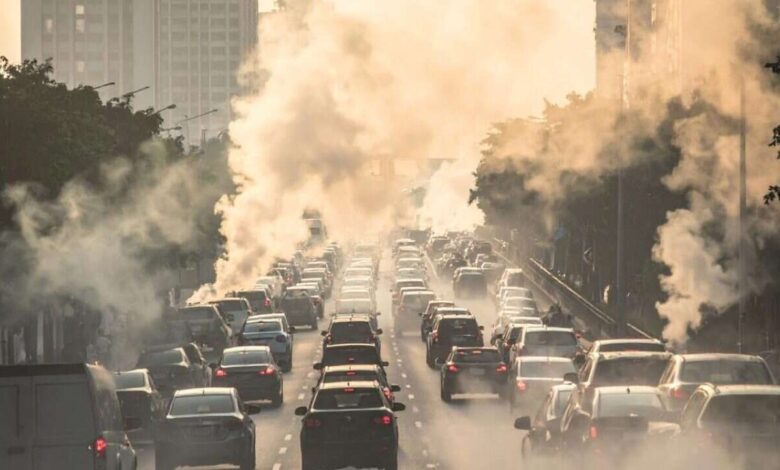
Traffic continues to be an important factor behind local variations in Bengaluru. Areas with heavy vehicle movement, including Silk Board Junction, Peenya and Tin Factory, can experience comparatively higher pollution levels, particularly during busy periods.


The situation is more favourable in many coastal areas of Karnataka. AQI readings in several coastal locations are reported to be between 25 and 45, indicating good air quality. Mysuru has also recorded readings largely between 35 and 50, keeping the city within the good range in several monitored locations.
Industrial and busy commercial areas show a somewhat different picture. Some industrial zones have recorded AQI levels between 50 and 70, indicating moderate air quality. Northern Karnataka has also seen readings around the moderate range in several locations, with AQI levels reported between 45 and 65.
Fine particles such as PM2.5 and PM10 are currently considered to be under control across much of the state. However, pollution levels can change quickly depending on traffic, local construction activity, weather conditions and the concentration of vehicles in a particular area.
The monsoon has played a role in keeping dust levels lower in many locations. Rain can remove some suspended particles from the atmosphere, while changing wind conditions can also influence how pollutants spread across urban areas.
Air quality usually becomes a greater concern as the weather becomes cooler and atmospheric conditions become less favourable for the dispersion of pollutants. Dust and smoke can remain in the air for longer periods when wind movement is limited, particularly in densely populated urban areas.
For people who are sensitive to air pollution, local conditions remain important even when the overall city level AQI is within a favourable range. People with respiratory conditions and older adults may prefer to avoid areas with heavy traffic during periods when local pollution readings are higher.
Morning outdoor activity near busy roads can expose people to traffic related pollutants. Choosing less congested routes and locations with better air circulation can help reduce exposure when pollution levels rise.
The current readings suggest that Karnataka is experiencing generally favourable air conditions in many areas, but the situation is not identical across the state. Bengaluru continues to show differences between residential, commercial and traffic intensive locations, while coastal areas and Mysuru are recording comparatively cleaner conditions.
As weather patterns change in the coming weeks, pollution levels may also shift. Residents can check local AQI readings before spending extended periods outdoors, especially if they are sensitive to changes in air quality.