Falling Water Levels at Bhadra Reservoir Force Authorities to Prioritize Drinking Water
Low monsoon rainfall has sharply reduced storage at Bhadra Reservoir prompting authorities to reserve available water for drinking purposes while raising fresh concerns among farmers dependent on irrigation supplies.

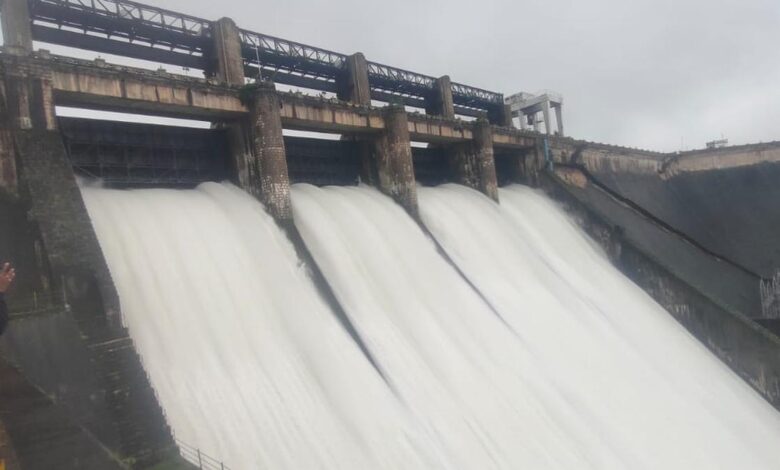
A significant drop in water storage at the Bhadra Reservoir has prompted the district administration to reserve the available water primarily for drinking purposes. The decision comes after below normal monsoon rainfall reduced inflows into the reservoir, creating concerns over water availability in the coming months.
The order has increased anxiety among farmers who depend on canal irrigation for their crops. While officials acknowledged that the restrictions could affect agricultural activities, they said safeguarding drinking water remains the highest priority if dry weather continues across the region.
According to the latest figures, the Bhadra Reservoir, which has a full reservoir level of 186 feet and a total storage capacity of 71.535 TMC, held only 31.257 TMC of water as of July 10. The water level stood at 146 feet, marking a sharp decline compared with the same period last year when the reservoir had reached 173.7 feet with storage of 56.794 TMC.
The administration issued the directive following guidance from the Water Resources Department and the Mysuru Regional Commissioner’s office. Authorities stressed that conserving the existing water stock has become essential to avoid a possible drinking water shortage if rainfall remains below expectations.
Officials explained that although the reservoir is currently receiving an inflow of around 13123 cusecs, water release has been kept at a minimal level to preserve storage. The total outflow has been restricted to about 218 cusecs, with only limited quantities being supplied through the left and right bank canals. A small amount of water is also being lost through evaporation.
The district administration admitted that the decision would create difficulties for farmers relying on irrigation canals. However, officials maintained that balancing agricultural needs with drinking water security has become increasingly difficult due to the reduced storage levels and uncertain weather conditions.
Agricultural communities have expressed concern over the impact the restrictions could have on standing crops and future cultivation plans. Many farmers are now hoping for widespread rainfall in the coming weeks to improve reservoir levels and allow irrigation releases to resume.
The situation highlights the growing pressure on water resources during a weaker monsoon season. Authorities have indicated that reservoir levels and rainfall patterns will continue to be monitored closely before any decision is taken on easing the current restrictions.