
Karnataka High Court grants interim relief to Ranveer Singh, pulls him up over ‘deity insult’ remark

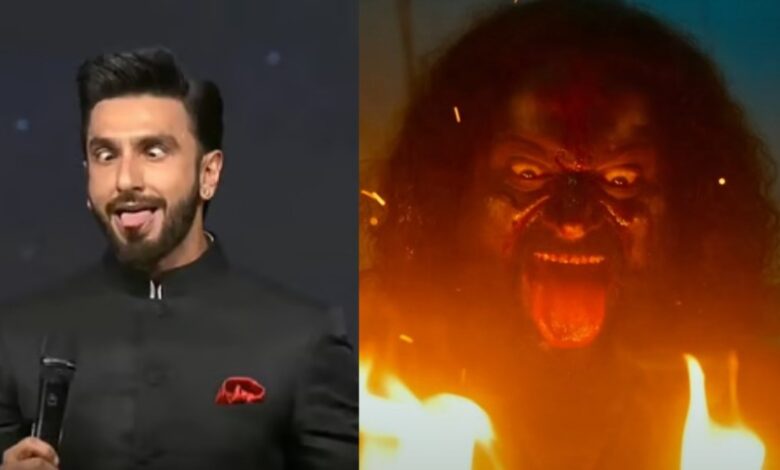
Bengaluru: The Karnataka High Court on Tuesday granted temporary relief to Bollywood actor Ranveer Singh, who is facing allegations of hurting religious sentiments, by directing the police not to initiate any coercive action against him until further orders. However, the court strongly criticised the actor for his alleged remarks during a film festival in Goa.
Singh had approached the High Court seeking quashing of an FIR registered against him. The petition came up for hearing before a bench headed by Justice M. Nagaprasanna. The court observed that no individual, irrespective of their celebrity status, is above the law and cautioned public figures against making statements that could hurt the sentiments of any section of society.
The case stems from comments allegedly made by Singh during a film festival in Goa, where he is accused of mocking aspects related to the Kannada film Kantara while praising actor-director Rishab Shetty. It was alleged that in the course of his remarks, Singh referred to a divine character portrayed in the film as a “female ghost,” triggering outrage and leading to the registration of a case at High Grounds Police Station in Bengaluru.
During the hearing, senior advocate Sajan Poovayya, appearing for Singh, submitted that the actor had only intended to praise Rishab Shetty’s performance and had already apologised for the choice of words. He argued that there was no deliberate intent to hurt religious sentiments and assured the court that Singh would fully cooperate with the investigation.


Counsel for the complainant contended that Singh, being married to Kannada actor Deepika Padukone, should have been more mindful while referring to culturally and religiously sensitive subjects linked to Karnataka.
After hearing both sides, the court directed the police not to take any coercive steps against Singh until the next date of hearing and adjourned the matter to Monday.
The bench made sharp observations, stating that influential actors must exercise responsibility while speaking on matters of faith. “A superstar is not above the law. Referring to a deity as a ghost and mimicking it cannot be taken lightly. Apologising later does not erase what has already been said. The internet does not forget,” the court remarked, underscoring the lasting impact of public statements.