Gauhati High Court Rejects Citizenship Plea Despite Submission of 16 Supporting Documents
The Gauhati High Court dismissed a citizenship petition after finding inconsistencies in multiple records ruling that documentary evidence failed to legally establish the applicant as an Indian citizen under existing law

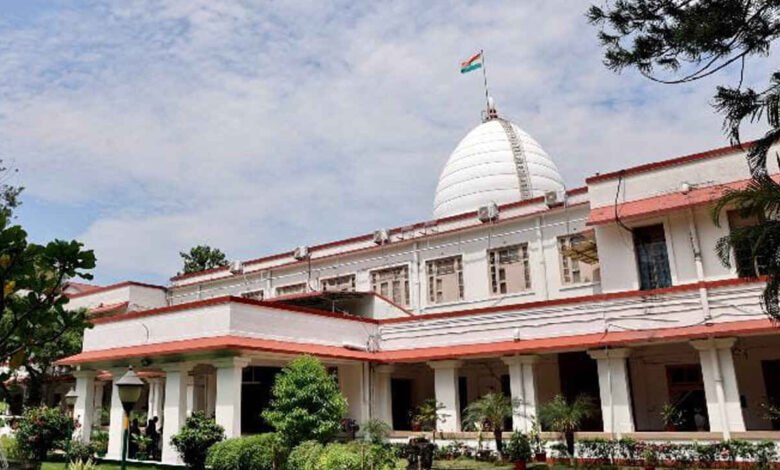
The Gauhati High Court has dismissed the citizenship claim of an Assam resident despite the submission of 16 supporting documents, ruling that the evidence presented was not sufficient to legally establish Indian citizenship. The judgment highlights the importance of consistent and verifiable records in citizenship related cases.
The case involved Aminul Hoque, who had challenged a 2019 order issued by the Foreigners Tribunal in Kamrup district. The tribunal had declared him a foreign national, prompting him to approach the High Court seeking relief and recognition as an Indian citizen.
To support his claim, Hoque submitted a wide range of documents before the court. These included a copy of the 1951 National Register of Citizens, voter lists of his parents from 1966 to 2017, land purchase records from 1973, a PAN card, voter identity card and school certificates. He argued that these documents established his family’s long standing presence in India.
However, the division bench found several serious inconsistencies while examining the evidence. According to the court, the burden of proving citizenship rests entirely with the individual under Section 9 of the Foreigners Act. The judges observed that the applicant had failed to provide a clear and legally acceptable chain linking the documents to establish his identity and family lineage.


One of the major concerns raised by the court was the variation in the spelling of the names of Hoque’s father and grandfather across different voter lists. The judges noted that such discrepancies created doubts about the authenticity and continuity of the records.
The applicant had also claimed that his family had moved between three different villages over the years. However, the court found no official documents supporting these changes of residence. In the absence of proper records, the explanation offered by the petitioner was not accepted.
During the proceedings, Hoque’s father appeared before the court and stated orally that the petitioner was his son. The bench ruled that verbal testimony alone could not replace documentary proof. Without written records establishing the relationship, the oral statement was considered insufficient.
The court also declined to accept a school certificate submitted by the petitioner because the headmaster who issued the document did not appear before the court to verify its authenticity. As a result, the certificate could not be relied upon as valid evidence.
Although the National Register of Citizens exercise in Assam was completed in 2019, its implementation remains pending. In this case, the High Court concluded that the petitioner had not fulfilled the legal requirements needed to prove his citizenship. Consequently, the writ petition was dismissed, reinforcing that documentary consistency and proper legal linkage remain crucial in citizenship verification cases.