Iran Missile Attack: domestic LPG price cross Rs 1000
The missile attack on the Ras Laffan Industrial City in Qatar on March 18–19, 2026, has indeed caused significant ripples in the global energy market.


Iran Missile Attack: The missile attack on the Ras Laffan Industrial City in Qatar on March 18–19, 2026, has indeed caused significant ripples in the global energy market. Since Qatar provides nearly 47% to 50% of India’s LNG imports, the “force majeure” declared on several export units (Trains 4 and 6) has created a genuine supply challenge.
1. Will the LPG price cross Rs 1000?:
As of late March 2026, the price for a non-subsidized 14.2 kg cylinder is hovering around Rs 913 in Delhi (and varies slightly by state).
The Price Hike: Prices were recently increased by Rs 60 due to the conflict.

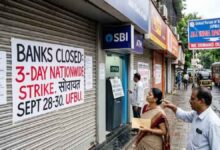
Government Shielding: While the market-determined price is estimated to be around Rs 987–Rs 1000, the Central Government is currently absorbing about Rs 74 per cylinder to keep the retail price below the Rs 1000 mark for domestic households.
If the disruption at Ras Laffan lasts longer than expected or if the Strait of Hormuz remains a high-risk zone, there is a strong possibility that prices could test the Rs 1000 barrier unless further subsidies are announced.
2. Are there queues at petrol pumps?
While there have been reports of long queues in cities like Patna, Prayagraj, and Varanasi, these are primarily for LPG cylinder refills and CNG, not necessarily for petrol or diesel.
LPG/CNG Shortage: The shortage is real for gas-based fuels. Some commercial sectors (hotels and industries in Morbi) have already faced shutdowns.
Petrol and Diesel Security: The government has clarified that India’s crude oil supply is more diversified and secure. Supplies are being rerouted from non-Gulf sources like Russia, the US, and Norway.
Panic Booking: Officials have noted that many queues are being driven by “panic booking” and rumors rather than a total lack of fuel.
3. Government’s Emergency Measures:
To prevent a total crisis, the following steps have been taken:
Domestic Boost: Indian refineries have been ordered to maximize LPG production, leading to a 28% increase in domestic output within a week.
The “Natural Gas Control Order”: This law now prioritizes households (piped gas) and vehicles (CNG) over industrial users. India is fast-tracking LPG shipments from the United States, Canada, and Algeria to reduce reliance on the Qatari route.