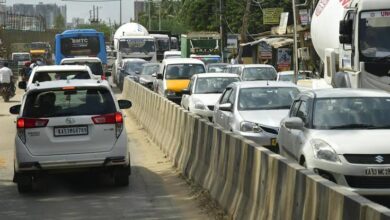
Bengaluru and Belagavi Air Quality Shows Major Improvement
Air quality levels improved significantly in Bengaluru and Belagavi on Sunday, though experts warned that pollution levels in several Karnataka cities still remain unhealthy for public health.

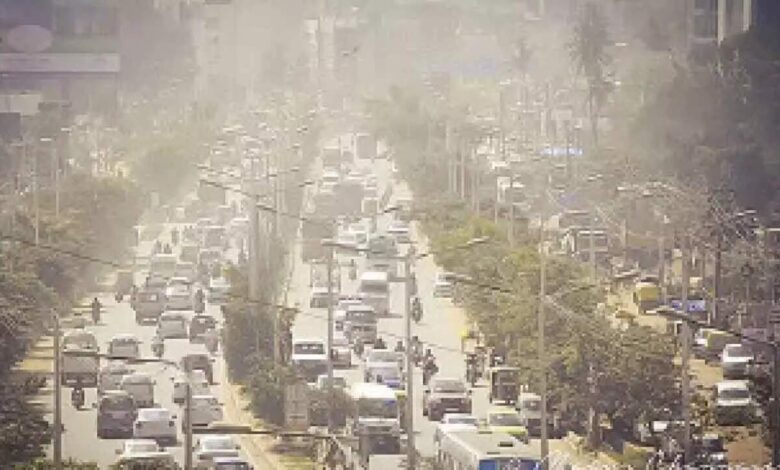
After several days of fluctuating pollution levels, Bengaluru and Belagavi witnessed noticeable improvement in air quality on Sunday. Environmental experts said the overall Air Quality Index in these cities has become better compared to previous weeks.
Despite the improvement, specialists cautioned that pollution levels in Bengaluru still remain unhealthy according to global health standards and could continue affecting people with respiratory issues.
Bengaluru AQI Better Than Many Metro Cities
According to the latest readings, Bengaluru recorded an AQI of 114. Experts noted that while the city currently has comparatively cleaner air than several other metro cities in the country, the pollution level still falls under the poor air quality category.
Health professionals warned that prolonged exposure to such conditions may increase breathing related illnesses, especially among children, elderly people, and those suffering from asthma or lung problems.


Belagavi showed significant recovery in air quality after recently recording much poorer conditions. The city’s AQI reportedly improved to 62, placing it in a comparatively safer category.
Air Quality Levels in Karnataka Cities
Several Karnataka cities recorded varying AQI levels on Sunday.
Bengaluru recorded 114
Mangaluru recorded 138
Mysuru recorded 101
Belagavi recorded 62
Kalaburagi recorded 82
Shivamogga recorded 88
Ballari recorded 82
Hubballi recorded 62
Udupi recorded 118
Vijayapura recorded 67
Officials said the numbers indicate moderate to poor air quality in many regions despite recent improvements.
Understanding AQI Categories
Experts classify air quality based on AQI levels to help people understand health risks associated with pollution exposure.
AQI between 0 and 50 is considered good
AQI between 50 and 100 is treated as moderate
AQI between 100 and 150 falls under poor air quality
AQI between 150 and 200 is considered unhealthy
AQI between 200 and 300 is categorised as severe
AQI above 300 is considered dangerous for public health
Environmental experts advised citizens to monitor daily AQI updates and reduce outdoor activities during periods of poor air quality.