India Approves MicroLED Manufacturing Push That Could Transform Future of Displays
A new government approved MicroLED manufacturing project in Gujarat marks a major step for India’s semiconductor ambitions, promising brighter screens, lower power use and a shift in how future smartphones, TVs and wearable devices perform

India is steadily moving closer to becoming a global semiconductor hub, and the latest approval for a Mini and MicroLED display manufacturing unit signals a significant leap in that direction. The government has cleared the country’s first commercial facility dedicated to this advanced display technology, a move that could reshape the electronics landscape in the coming years.
The project will be set up in Dholera, Gujarat, by Hyderabad based Crystal Matrix Limited under the India Semiconductor Mission. Alongside this approval, another semiconductor facility by Suchi Semicon in Surat has also received clearance. That unit will focus on assembling chips used in vehicles and power systems, further strengthening India’s growing electronics ecosystem.
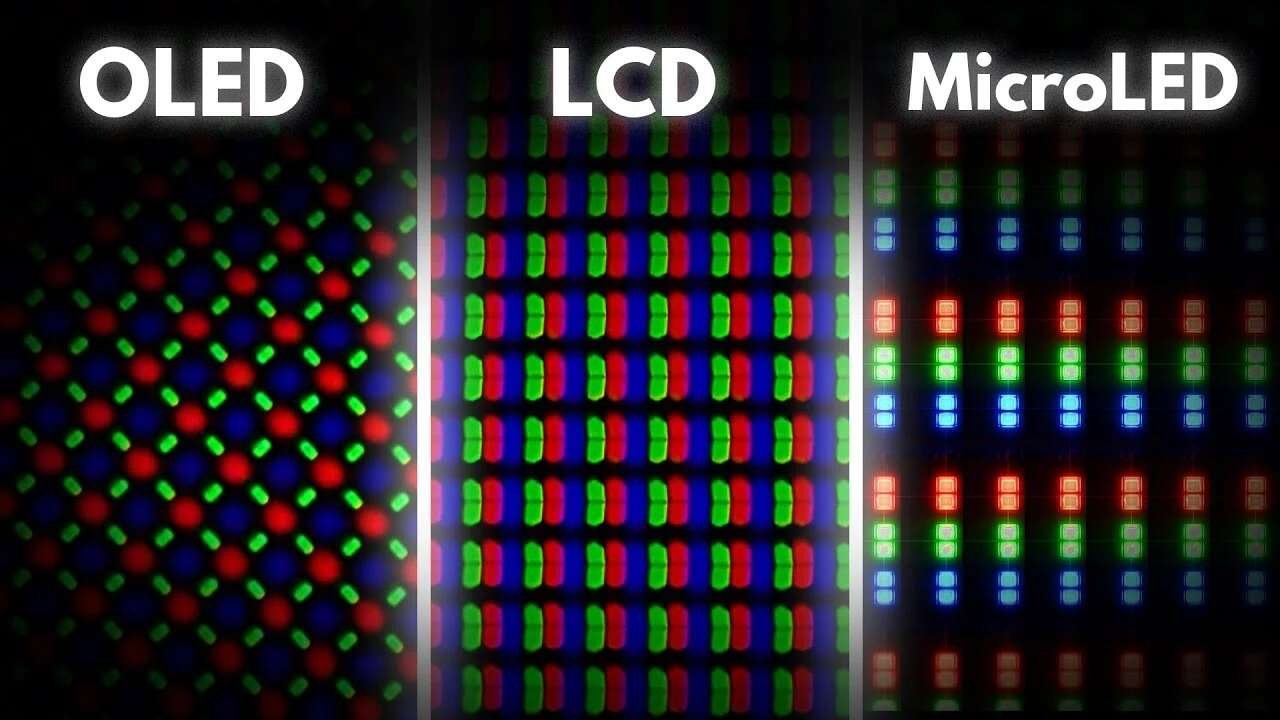
At the heart of this development lies MicroLED technology, which is widely considered the next big step in display innovation. Unlike traditional LED panels, MicroLED and MiniLED displays use much smaller light emitting units, resulting in brighter visuals, improved energy efficiency and longer device life. These displays are already being explored for premium smartwatches, high end televisions, AR and VR devices, and luxury car dashboards.
The upcoming Dholera facility will use Gallium Nitride based technology and is expected to produce around 72,000 square meters of display panels annually. This scale of production highlights India’s intent to compete in a segment that has so far been dominated by countries like China and Taiwan. With this move, the idea of Made in India advanced displays is slowly turning into reality.


For everyday users, the impact could be more noticeable than it first appears. Smartphones and televisions built with MicroLED screens are expected to deliver better visibility even under bright sunlight while consuming less battery power. Devices like smart glasses and wearable tech could also become thinner, lighter and more powerful as this technology matures. Unlike OLED screens, MicroLED is known for avoiding burn in issues, which improves long term display quality and durability.
Experts believe this is a timely entry for India into a fast evolving global market. MicroLED is still in its early stages worldwide, and companies are racing to establish dominance. If India succeeds in scaling this technology, it could open doors not only in consumer electronics but also in strategic areas like defence systems and photonics based applications.
The project is being guided by a strong team of industry veterans. The advisory board includes M V Gautama, former Chairman of Bharat Electronics Limited, along with experienced professionals from Samsung and experts in semiconductor fabrication. Their combined experience is expected to provide technical depth and industry insight to the initiative.
India’s broader semiconductor mission is also gaining momentum, with 12 approved projects so far attracting investments worth nearly 1.64 lakh crore rupees. Major initiatives like Tata Electronics’ fabrication plant in Dholera and Micron’s facility in Sanand are part of this growing ecosystem. Together, these developments reflect a clear push toward reducing dependency on imports and building a strong domestic electronics manufacturing base.