Hormuz strait partially opened: Iran allows Indian ships amid ongoing conflict

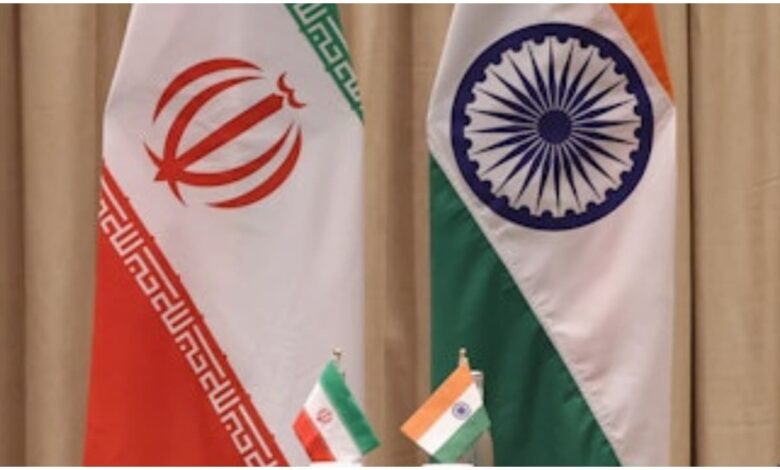
Tehran, : Amid the ongoing Iran–Israel conflict, Iran has announced a decision allowing ships from friendly nations, including India, China and Russia, to safely pass through the strategically crucial Strait of Hormuz. The decision comes following an appeal from the United Nations amid growing global concerns over energy supply disruptions.
On the 27th day of the conflict involving Iran, Israel and the United States, Iranian Foreign Minister Abbas Araghchi termed the move as a humanitarian and strategic necessity. He confirmed that vessels from India, China, Russia, Iraq and Pakistan would be granted safe passage through the Strait.
The Iranian Consulate General in Mumbai also reaffirmed the decision via social media, stating that ships from “friendly nations” would be allowed to transit safely. This move is being viewed as a major relief for countries dependent on Gulf energy supplies.


According to Iran, the decision was influenced by a direct appeal from UN Secretary-General António Guterres, who had warned that prolonged disruption in the Strait could severely impact global supplies of oil, gas and fertilizers. Guterres had stressed that continued blockade would harm civilians worldwide, especially farmers during the critical agricultural season.
In an interview to state television, Araghchi revealed that several countries had approached Iran seeking secure transit routes. “Our armed forces have ensured safe passage for ships belonging to friendly nations. Recently, even Indian vessels have passed through safely, and this arrangement will continue,” he said.
However, Iran has made it clear that ships belonging to countries directly involved in the conflict, including the United States and Israel, will not be permitted to pass through the Strait. “We are in a war situation, and this region is considered a war zone. Enemy vessels have no reason to transit here,” Araghchi asserted.
For India, the development is particularly significant, given its heavy dependence on crude oil imports from the Gulf region. Any disruption in the Strait directly impacts fuel prices and supply chains. The partial reopening is expected to ease pressure on global oil markets and stabilize prices of petrol, diesel and fertilizers.
The announcement also comes at a time when former US President Donald Trump has proposed a 15-point peace plan, while diplomatic efforts involving Prime Minister Narendra Modi continue to focus on ensuring maritime security in the region.
The Strait of Hormuz accounts for nearly 20 percent of the world’s oil trade, making any development in the region critical for global economic stability.