Karnataka Approves 7.5 Percent Quota For Rural Government School Students
Karnataka has issued draft rules proposing a separate 7.5 percent quota for eligible rural government school students in government quota seats across professional education institutions.

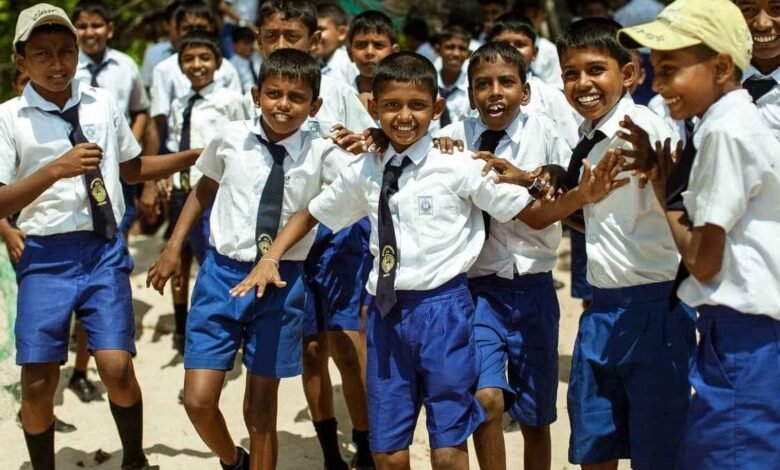
The Karnataka government has taken a significant step towards improving access to professional education for students from rural areas. The Higher Education Department has issued draft rules proposing a separate 7.5 percent reservation for eligible rural students who studied in government schools.
The proposal applies to government quota seats in professional education institutions, including engineering and other professional courses. The move is aimed at giving students from rural and economically weaker families better opportunities to pursue higher education.
The draft notification for the Karnataka Professional Educational Institutions Admission Rules Amendment 2026 was issued on September 7. The government has invited suggestions and objections from members of the public and other affected parties before the rules are finalised.
Under the proposed arrangement, the existing 15 percent reservation available for rural candidates will be divided into two separate categories. Seven and a half percent of seats will be reserved for eligible rural candidates who studied in government schools, while another 7.5 percent will be available for eligible rural candidates who studied in other schools or educational institutions located in rural areas.

The government school category will cover students who studied from Class 1 to Class 10 in government schools or government pre university colleges falling under the School Education Department in rural areas of Karnataka.
This means students who meet the prescribed rural and educational conditions could receive a separate opportunity when competing for government quota seats in professional courses.
The announcement follows a commitment made by Chief Minister DK Shivakumar regarding greater support for students from rural and economically weaker backgrounds. While speaking during the launch of the Praja Seva campaign in Kudligi in Vijayanagara district, Shivakumar had said the government would work towards providing a 7.5 percent reservation for government school students in education and employment.
The latest draft notification gives that announcement a formal policy framework, although the proposed rules are not yet the final version. The government has kept a period of 15 days for submitting suggestions and objections from the date of publication of the notification.
Those who want to submit their views can send written suggestions or objections to the Secretary of the Higher Education Department at MS Building, Dr BR Ambedkar Veedhi, Bengaluru. The department will examine the representations received before taking the next step towards finalising the rules.
The reservation is expected to be particularly relevant for students who have completed their schooling in rural government institutions. For many such families, professional courses can involve considerable educational expenses, while competition for government quota seats remains high.
The proposed policy could therefore provide an additional route for eligible students to compete for seats in courses such as engineering and other professional programmes. However, the exact implementation process will depend on the final rules and the eligibility conditions notified by the government.
The government has described the initiative as a measure to strengthen higher education opportunities for children from ordinary and financially weaker rural families. The broader objective is to ensure that a students location and schooling background do not become major barriers when seeking professional education.
The proposal also creates a distinction between rural students based on the type of school they attended. Government school students would receive a dedicated 7.5 percent allocation, while eligible rural students from other schools would receive another 7.5 percent allocation.
For students and parents, the next important stage will be the finalisation of the rules after the objection period. Further details regarding eligibility, documentation and admission procedures are expected to become clearer once the government completes the process.
The move marks an important development in Karnatakas professional education admission system. If implemented as proposed, the separate reservation could give eligible rural government school students a stronger opportunity to enter professional education through government quota seats.