KR Market Entry Fee May Push Up Vegetable And Essential Goods Prices
Bengalurus KR Market may introduce entry charges for goods vehicles and individual produce bags, raising concerns that traders could pass the added cost on to customers.

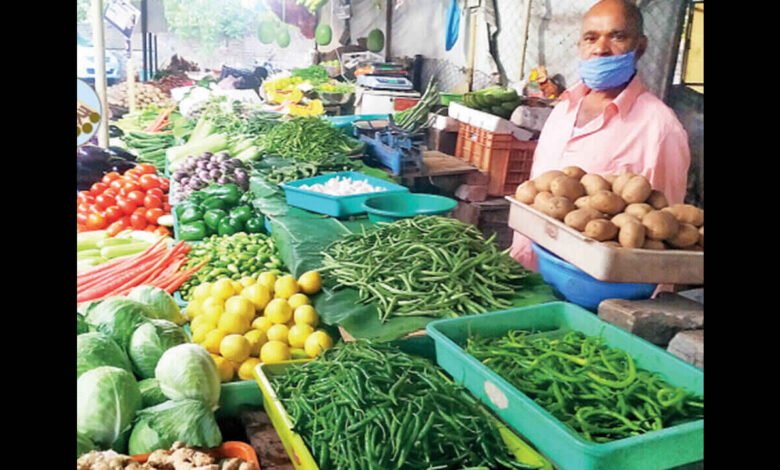
Bengalurus historic KR Market could soon see a new entry fee system, with the city corporation preparing to introduce charges for goods vehicles and agricultural produce entering the busy market.
The proposed system is expected to use digital toll smart gates to collect payments from vehicles bringing goods into the market. The plan is being considered as part of efforts to improve market management and infrastructure, but traders and transporters are concerned about the additional financial burden.
Under the proposed arrangement, goods vehicles could be charged between Rs 75 and Rs 350 depending on the type of vehicle. A separate charge may also apply to the produce brought into the market.
Vegetables, fruits, flowers, onions and meat could attract an entry charge of between Rs 5 and Rs 10 for each bag or box. Traders would reportedly have to make the payment through UPI or a QR code before beginning their business at the market.


The move has already raised concerns among traders who deal with large quantities of agricultural produce every day. Even a small charge per bag can become a significant expense when hundreds of bags or boxes are brought into the market.
Transporters are also likely to factor the additional entry cost into their operating expenses. With fuel and transportation already forming a major part of the supply chain cost, traders say another mandatory payment could add pressure to the overall price of goods.
The biggest concern, however, is the possible impact on consumers. Traders and transporters may eventually recover the additional expense through the selling price of the produce. If that happens, shoppers could see higher prices for vegetables, fruits, greens and other everyday items.
There are also concerns about meat prices if similar charges are applied to meat consignments entering the market. The effect on retail prices would depend on how traders and suppliers absorb or pass on the additional cost.
The proposal comes at a time when households are already closely watching their daily food expenses. Any increase at the wholesale market level can have an effect further down the supply chain, particularly when transportation and other handling costs are added before products reach retail shops.
For small traders and farmers, the proposed fee is another expense that needs to be considered while bringing produce to the market. Many sellers work with relatively small margins, meaning additional charges can have a noticeable impact on their earnings.
The proposed digital payment system could make fee collection easier to track and reduce the need for cash transactions. However, traders are likely to focus on the actual financial impact of the charges rather than the payment method itself.
KR Market handles a large volume of agricultural produce and remains an important trading centre for Bengaluru. Because of its role in the citys supply chain, even a relatively small change in entry or handling costs can attract considerable attention from traders and consumers.
There is also a possibility that the final impact on retail prices could vary depending on market conditions. The claim that prices will automatically rise by a specific percentage should therefore be treated as a concern raised by traders rather than a confirmed outcome.
If the entry fee system is implemented, the response from wholesalers, retailers, transporters and farmers will likely determine how the additional cost moves through the supply chain. Consumers will be watching closely to see whether the proposed charges eventually affect their daily shopping bills.
The authorities and market stakeholders may need to consider the concerns of traders while finalising the system. Clear rules, transparent collection and an assessment of the impact on agricultural trade could be important before the proposed charges become operational.
For Bengaluru households, the key question remains whether the new KR Market entry system will simply improve market management or become another cost that reaches the customer. The answer will depend on the final fee structure and how traders respond after implementation.