Coastal Karnataka Ashtami Oota Celebrates Krishna Janmashtami With Traditional Feast
Ashtami Oota in Coastal Karnataka is a traditional feast served after Krishna Janmashtami, bringing families together with banana leaf meals, seasonal vegetables, kadabu, payasa and sacred offerings.

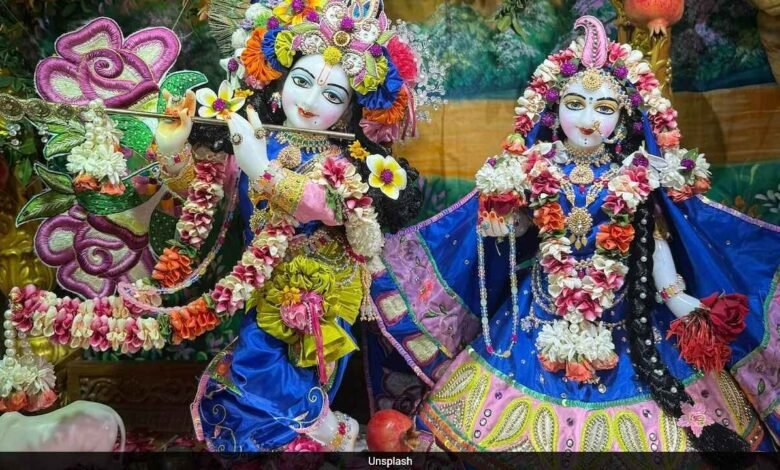
In Coastal Karnataka and Tulunadu, Krishna Janmashtami is celebrated with much more than prayers and temple rituals. The festival continues into the following day with a traditional meal known as Ashtami Oota, a custom that combines devotion, food and family traditions.
The meal is usually served on a banana leaf and includes a variety of vegetarian dishes prepared with ingredients commonly available during the season. Kadabu, payasa, vegetable preparations, curries and traditional dishes made using local leaves and produce are among the familiar items served during the occasion.
For many families, the meal has a special place because it follows the fasting observed on Krishna Janmashtami. Devotees traditionally spend the day in worship and fasting before offering prayers to Lord Krishna around midnight. The following day, after the fast is completed, the family comes together for the festive meal.
The tradition is also closely associated with foods believed to have a connection with Krishna. Stories about Krishna childhood often mention milk, curd, butter and beaten rice among the foods he enjoyed. These ingredients and other simple preparations are therefore offered as part of the devotional celebrations in many households.
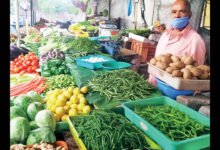

Another distinctive feature of Ashtami Oota is the use of seasonal produce. Coastal Karnataka households make use of vegetables, greens and natural leaves that are readily available during the Shravana and Bhadrapada period. Cucumber, jackfruit preparations, colocasia leaves, banana stem, spiny cucumber and different varieties of greens can find a place in the traditional menu.
The food is not simply prepared as a regular lunch. In many homes, dishes are first offered to the deity as naivedya and are later shared among family members as prasada. This gives the meal a religious significance while also keeping the focus on togetherness.
Among the most recognisable preparations is kadabu made by wrapping the mixture in jackfruit leaves. In Tulunadu, this preparation is commonly known as khotto or gunda. It is steamed and traditionally prepared as part of festive meals. Colocasia leaf based dishes are another familiar part of the coastal food tradition and are often prepared during the morning.
The afternoon Ashtami Oota can include several vegetable dishes prepared in the regional style. Tondekai and chickpea curry, potato and peas gashi, okra preparations and amatekayi sambar are some examples of dishes that may be included. The exact menu can differ from one household to another, depending on family customs and the ingredients available locally.
There is also a traditional religious story associated with the importance of Janmashtami observance. Accounts found in texts including the Padma Purana and Bhavishyottara Purana describe a prince from Anga who was said to have followed an unrighteous path after falling into bad company.
According to the traditional account, he suffered after death and was later believed to have been born as a troubled spirit. During his wandering, he encountered sages observing the Krishna Janmashtami vrata and heard the chanting of Krishna names and the significance of the offerings made to the deity.
The story says that hearing and witnessing the religious observance helped free him from his past sins and led to spiritual liberation. Such traditional narratives have contributed to the belief that observing Janmashtami with devotion and offering food to Krishna carries spiritual significance and is associated with prosperity and freedom from past wrongdoing.
For families in the coastal region, however, the importance of Ashtami Oota goes beyond the religious story. It is also an opportunity to preserve recipes that have been passed down through generations. The use of banana leaves, jackfruit leaves, seasonal vegetables and locally familiar ingredients gives the meal a distinctly coastal character.
The gathering itself is an important part of the tradition. Family members sit together and share the meal after the days religious observances. In an age when everyday meals are increasingly shaped by convenience, such occasions provide a chance to bring older food traditions back to the dining table.
Ashtami Oota therefore represents several aspects of Coastal Karnataka life at the same time. It reflects devotion to Lord Krishna, respect for seasonal produce, traditional cooking practices and the importance of family gatherings. The simple banana leaf meal becomes a celebration of local culture and a reminder of how food has long been connected with festivals and community life.
While individual recipes and menus may vary across households, the spirit remains similar. The meal is prepared with care, offered as part of the festival and enjoyed together. That combination of faith, food and family is what continues to make Ashtami Oota a distinctive tradition in Coastal Karnataka.