WhatsApp PAN Aadhaar Sharing Alert: Avoid These KYC Mistakes
Sharing PAN, Aadhaar or bank documents through WhatsApp can expose sensitive personal information, so users should verify requests and prefer official portals whenever available.

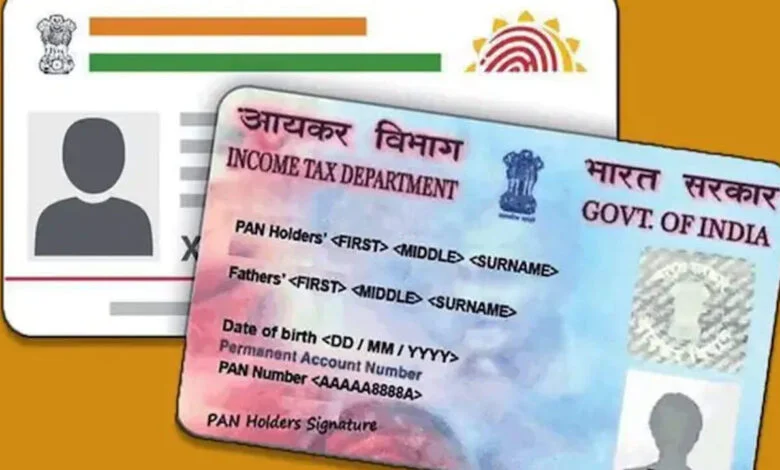
WhatsApp has made document sharing convenient, but that convenience can become a security concern when sensitive KYC documents are involved. PAN cards, Aadhaar cards and bank statements contain personal and financial information that should not be shared casually.
People often send these documents when applying for loans, completing banking formalities, booking properties or dealing with agents. However, before sending a document to a WhatsApp number, it is worth checking whether the request is genuine and whether the organisation provides an official upload facility.
A PAN card can reveal details such as the holder’s name, PAN number and date of birth. Aadhaar contains important identity information, while a bank statement can expose account and transaction details. If these documents reach the wrong person, they could potentially be misused for impersonation, fraudulent communication or other scams.
The first step is to verify who is asking for the documents. A person claiming to be a bank employee, loan agent or company representative should not automatically be trusted simply because the request comes from a familiar looking WhatsApp profile. Contacting the organisation through its official website or verified customer service channel can help confirm the request.


Whenever possible, users should upload KYC documents through the organisation’s official website or app instead of sending them through WhatsApp. An official document portal also makes it clearer which organisation is receiving the information.
Another important precaution is to share only what is actually required. If a process needs a PAN card, there may be no reason to send Aadhaar and a complete bank statement as well. Sharing fewer documents reduces the amount of personal information exposed.
If a document must be sent through WhatsApp, adding a visible purpose and date to the copy can provide an additional layer of protection. For example, a document could be marked for a specific KYC purpose and organisation. This makes the intended use clearer and may discourage unrelated reuse.
Users can also consider sending a password protected PDF when the recipient accepts that format. The password should never be sent in the same WhatsApp message as the document. A separate communication method can be used to share the password.
The biggest mistake is to treat PAN or Aadhaar like an ordinary photograph. Once a document has been shared, it may be saved, forwarded or backed up by the recipient, so users should think carefully before pressing send.
If a document has already been sent to the wrong person, contact the recipient and request its deletion. Keep an eye on unexpected calls, messages, emails and financial alerts. Most importantly, never share an OTP, PIN, UPI PIN, CVV or banking password with anyone claiming to need it for verification.
A genuine KYC process should not require you to disclose your banking credentials or one time passwords. Staying cautious before sharing documents can prevent a simple WhatsApp message from becoming a much bigger problem.