
India Approves Record MBBS Seats for 2026 With Karnataka Retaining the Top Position
India has approved a record number of MBBS seats for the upcoming academic year with Karnataka leading all states while experts call for stronger faculty recruitment and postgraduate medical expansion.

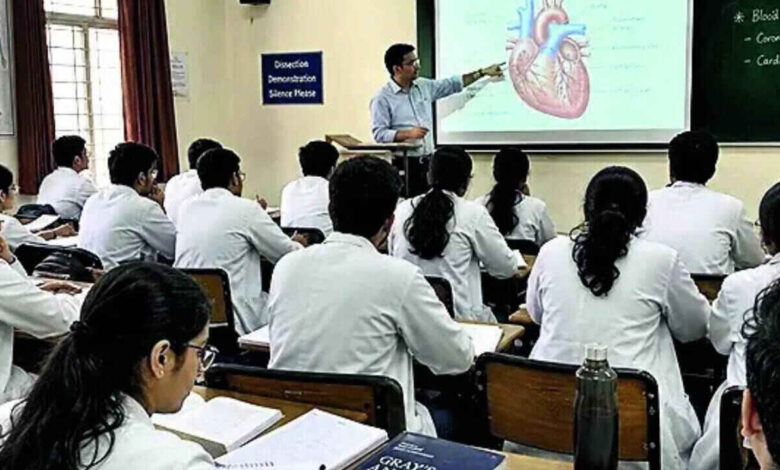
India is set to witness its biggest expansion in undergraduate medical education after the National Medical Commission approved a record number of MBBS seats for the 2026 to 2027 academic session. The latest approvals are expected to significantly increase opportunities for aspiring doctors, with Karnataka once again emerging as the state offering the highest number of medical seats in the country.
According to the latest figures, a total of 136939 MBBS seats will now be available across 823 medical colleges nationwide. The expansion includes 9911 additional seats approved this year, marking an increase of nearly seven percent compared to the previous intake. Among the newly sanctioned capacity are 2400 seats created through the approval of 25 new medical colleges.
The announcement comes ahead of the expected declaration of the NEET UG 2026 results, giving medical aspirants a clearer picture of the admission landscape before the counselling process begins. The examination was held on June 21, and the results are expected to be announced by July 20.
Karnataka has retained its position as the leading state for MBBS education by offering 15395 seats across 75 medical colleges. The state has added a remarkable 1300 seats this year, strengthening its lead over other states. The increase reflects continued investment in both government and private medical institutions.


Tamil Nadu follows Karnataka in the national rankings with 13999 MBBS seats spread across 78 medical colleges. The state has expanded its capacity by 950 seats this year. Uttar Pradesh, Maharashtra, Telangana, Kerala, Gujarat and West Bengal are also among the states with the highest number of undergraduate medical seats.
The National Medical Commission has stated that the expansion is aimed at producing more qualified doctors to meet the country’s growing healthcare needs. The Union Health Ministry has also welcomed the development, describing it as a major step toward strengthening the medical workforce and improving access to healthcare services across urban and rural regions.
However, the rapid increase in seats has also raised concerns among education experts. They have pointed out that several medical colleges continue to face shortages of qualified faculty members and teaching infrastructure. Without addressing these issues, experts believe the quality of medical education could come under pressure despite the increase in admissions.
Medical professionals have also urged policymakers to focus on postgraduate education alongside undergraduate expansion. They argue that increasing MBBS seats alone will not fully address the shortage of specialist doctors unless postgraduate training opportunities are expanded at the same pace. Improving the availability of PG seats and strengthening specialist training programs have been identified as key priorities.
Another recommendation from experts is the introduction of stronger policies encouraging newly qualified doctors to serve in rural and underserved areas. While increasing the number of medical graduates is important, ensuring equitable healthcare access across the country remains an equally significant challenge.
Of the 25 newly approved medical colleges, seven are government institutions while eighteen belong to the private sector. Together, these colleges account for 2400 of the newly added MBBS seats, reflecting continued participation from both public and private healthcare education providers.
With record admissions now approved, India is entering a new phase in medical education. The expanded capacity is expected to create more opportunities for students, but the long term success of the initiative will depend on maintaining high academic standards, strengthening faculty resources and ensuring that the growing number of future doctors receive quality clinical training.