Karnataka High Court Defers Bengaluru Tunnel Road Hearing Extends Protection for Lalbagh Trees
The High Court has postponed the final hearing on Bengaluru tunnel road petitions while continuing protection for Lalbagh trees and directing authorities to keep contractors informed about the pending case.

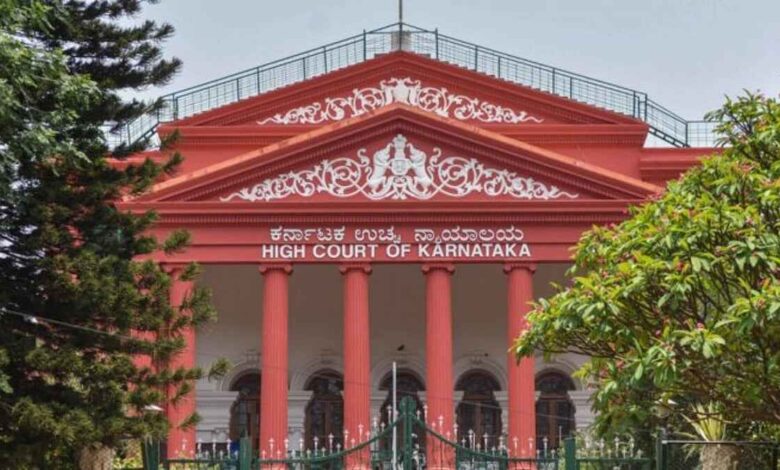
The Karnataka High Court has postponed the final hearing on the public interest petitions challenging Bengaluru proposed tunnel road project, while continuing its interim protection against tree felling inside Lalbagh Botanical Garden. The matter has now been listed for further hearing on August 20, keeping the ambitious infrastructure project under judicial scrutiny.
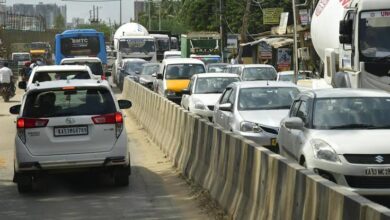
The proposed tunnel road aims to connect Hebbal and Silk Board in an effort to reduce the city’s worsening traffic congestion. The project is estimated to cost around Rs 19000 crore and has been presented as one of Bengaluru biggest transport infrastructure plans. However, environmental concerns and questions over the approval process have triggered legal challenges from citizens and activists.
During the latest hearing, the High Court made it clear that any work carried out on the project would remain subject to its final verdict. The bench also directed the authorities to ensure that contractors involved in the project are informed about the pending litigation before proceeding further.
The petitions were filed by Prakash Belawadi, Dr A Ravindra and Citizen Action Forum, who have sought an interim stay on the execution of the tunnel road project. Representing the petitioners, advocates Tejaswi Surya and senior counsel D R Ravishankar argued before the court, highlighting environmental and procedural concerns linked to the project.
One of the major issues raised in the case is the proposed construction beneath Lalbagh Botanical Garden, one of Bengaluru most significant ecological and heritage landmarks. The court has continued its earlier order preventing tree cutting in the garden until further directions are issued, offering temporary relief to environmental groups and residents who have expressed concern over possible ecological damage.
In an earlier hearing, the High Court had issued notices to multiple respondents, including the State Government, Greater Bengaluru Authority, the State Environment Impact Assessment Authority, the Directorate of Urban Land Transport, Bengaluru Smart Infrastructure Limited, Radik Consultants and Altinok Consultants. The court had also instructed authorities to obtain an expert opinion from the Geological Survey of India regarding the potential risks of constructing a tunnel beneath environmentally sensitive areas such as Lalbagh.
The petitioners have also challenged the tender notification issued on July 14, 2025 for the Bengaluru twin tunnel road project. They have requested the court to cancel not only the tender notification but also every subsequent stage of the procurement process, including the request for proposals, pre bid procedures, bid submissions, bid evaluation and the proposed award of the contract.
Another key demand in the petitions is the cancellation of a communication issued by the Karnataka State Environment Impact Assessment Authority on November 26, 2024. The authority had reportedly stated that prior environmental clearance was not required for the tunnel road project. The petitioners argue that such a large scale urban infrastructure project should undergo a detailed environmental assessment before construction begins.
The legal challenge reflects the broader debate surrounding Bengaluru development priorities. While many residents support projects that promise relief from chronic traffic congestion, others believe environmental safeguards and transparent planning should not be compromised in the process.
With the hearing now scheduled for August 20, all eyes will remain on the High Court as it examines the legal, environmental and administrative aspects of the proposed tunnel road. Until a final decision is delivered, the future of the project and the protection of Lalbagh sensitive green spaces will remain closely tied to the ongoing judicial proceedings.