
Papaya in Pregnancy Does It Really Cause Miscarriage Doctors Explain the Truth
Many people believe papaya should be avoided during pregnancy due to miscarriage fears. Medical experts clarify the difference between raw and ripe papaya and explain what is actually safe for expecting mothers.

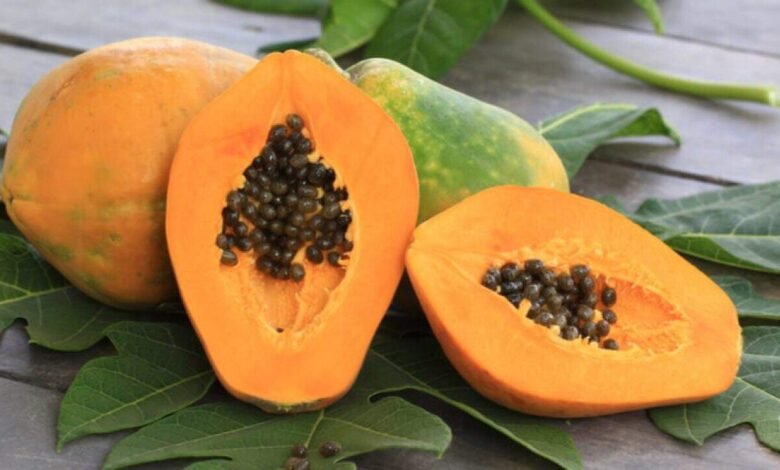
Pregnancy is a phase where women become extra cautious about their diet, often influenced by family advice and traditional beliefs. One of the most common food related fears is the idea that eating papaya during pregnancy can lead to miscarriage. This belief has been passed down for generations, but medical science presents a more balanced and clearer explanation that helps separate fact from fear.
According to doctors and gynecologists, papaya itself is not completely harmful for pregnant women. The key factor is its ripeness. Fully ripe papaya is generally considered safe when eaten in moderation, while raw or semi ripe papaya is the one that can pose risks during pregnancy.
Raw papaya contains higher levels of latex and an enzyme called papain. These compounds can act in a way that may stimulate uterine contractions. In early pregnancy, such contractions are considered risky as they may increase the chances of miscarriage. In later stages, there is also a possibility of triggering early labor if consumed in significant amounts. This is the main reason why unripe papaya is advised to be avoided during pregnancy.
On the other hand, ripe papaya offers several nutritional benefits. It contains vitamins like A and C along with folic acid, potassium, and dietary fiber. These nutrients can support overall health during pregnancy. Many expecting mothers also struggle with digestion related issues, especially constipation, and ripe papaya can help improve bowel movement and ease discomfort naturally.


Apart from digestion, ripe papaya also contributes to boosting immunity due to its vitamin rich profile. It is generally safe when consumed in small portions as part of a balanced diet. However, moderation is always important since pregnancy nutrition requires careful planning and balance.
Doctors also suggest being cautious with market bought papaya products like juices or pre cut salads. These may sometimes include unripe portions mixed in unknowingly. For this reason, it is always better to ensure the fruit is fully ripened and freshly prepared at home before consumption.
Every pregnancy is unique, and individual health conditions can vary from person to person. That is why experts strongly recommend consulting a gynecologist before making papaya a regular part of the pregnancy diet. Professional guidance ensures safety based on personal health needs.
In conclusion, the idea that papaya always causes miscarriage is not entirely true. The real concern lies with raw papaya, not the ripe fruit. When eaten carefully and in limited quantity, ripe papaya can be a nutritious addition to a pregnancy diet without causing harm.