Fake Delivery Scams Rise During Online Sale Season as Experts Warn Shoppers to Stay Alert
Cyber criminals are targeting online shoppers with fake delivery messages refund calls and phishing links during major sales urging customers to verify every order only through official shopping platforms.


Major online shopping festivals such as Amazon Prime Day and Flipkart GOAT Sale attract millions of buyers looking for discounts on smartphones, electronics, home appliances and other products. However, cybersecurity experts say these sales also create an ideal opportunity for fraudsters who target customers through fake delivery notifications and phishing scams.
As order volumes increase during sale events, shoppers naturally expect frequent updates through text messages, emails and mobile notifications. Cybercriminals take advantage of this situation by sending convincing messages that appear to come from trusted shopping platforms. Since customers are already waiting for their parcels, many fail to recognize these fraudulent communications.
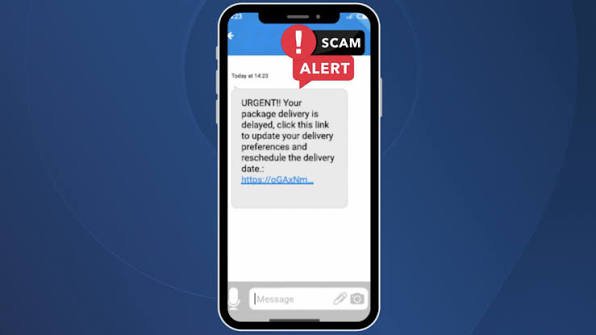
One of the most common scams involves fake delivery alerts claiming that a package has been delayed or cannot be delivered because of an address issue. Victims are asked to click a link to update their delivery details or pay a small fee to complete the shipment. The amount requested is often very small, making the message appear genuine and reducing suspicion.
Once users click the provided link, they are redirected to a fake website designed to closely resemble a legitimate shopping platform. They may then be asked to sign in using their account credentials or enter payment information. Any details entered on these fake pages can be collected by cybercriminals, putting personal accounts and financial information at risk.


Fraudsters are also increasingly using fake customer service calls to deceive shoppers. In these calls, they may claim that an order has been cancelled, a refund is being processed or delivery has been temporarily suspended. During the conversation, victims are asked to share sensitive information such as one time passwords, banking details or UPI credentials. Security experts stress that genuine shopping platforms do not ask customers to reveal such confidential information over phone calls.
The risk of these scams rises significantly during large online sales because customers are actively checking delivery updates and are more likely to respond quickly without verifying the source. Criminals exploit this urgency by creating messages that closely imitate official notifications.
Cybersecurity professionals recommend tracking every order only through the official shopping application or website. Instead of opening links received through text messages or messaging apps, customers should log into their account directly and check the latest delivery status from there.
Consumers are also advised to examine website addresses carefully before entering login credentials or payment information. Fake websites often use web addresses that look similar to genuine ones but contain slight spelling changes or additional characters designed to confuse users.
Experts further recommend never sharing OTPs, UPI PINs, debit card numbers, passwords or banking credentials with anyone claiming to represent an online shopping company. Genuine customer support teams do not request such information to complete deliveries or process refunds.
Another important precaution is to avoid making small payments requested through unexpected delivery messages. Fraudsters often ask for a nominal delivery fee to make the request appear harmless. Even a small payment can lead users to fake payment pages that capture sensitive financial information.
Shoppers should also be cautious of deals that appear too attractive without proper verification. While major sale events offer genuine discounts, fake advertisements and phishing messages frequently promise unrealistic prices to lure unsuspecting buyers.
If a customer receives a suspicious message, email or phone call claiming to be from a shopping platform, experts advise reporting it immediately through the company’s official customer support channels. Ignoring unknown links and verifying every communication through trusted sources remain the most effective ways to stay protected.
With online shopping continuing to grow during festive sales and promotional events, awareness remains the strongest defense against digital fraud. A few careful checks before clicking a link or sharing personal information can help shoppers enjoy genuine discounts while keeping their accounts and financial data secure.