
How to Grow a Lemon Tree in a Pot and Get Heavy Yield with Simple Home Gardening Tricks
Growing a lemon tree in limited space is possible with the right pot size soil mix sunlight care and regular pruning techniques that help the plant thrive and produce healthy fruits even in balconies or terraces

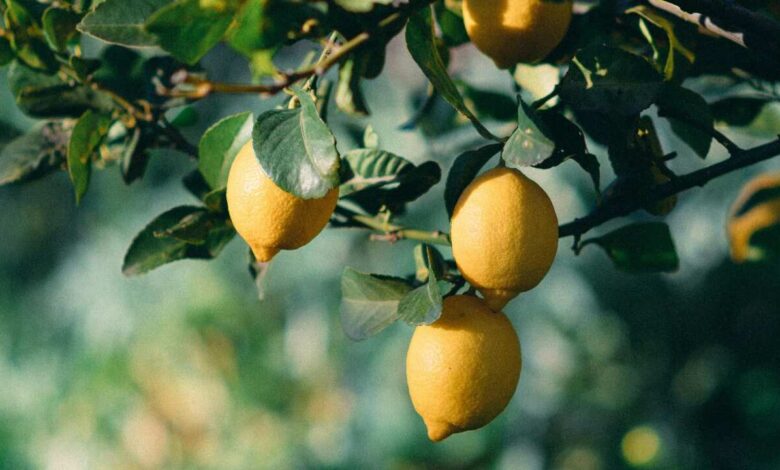
Fresh fruits grown at home always bring a different kind of satisfaction. Even a small garden space or balcony can become a source of greenery and nutrition when plants are grown with proper care. Many people avoid gardening thinking they need a large yard, but the truth is that even a pot on a terrace can produce excellent results if the right method is followed.
One of the most rewarding plants to grow at home is the lemon tree. It can grow well in containers if basic requirements are met. The first step is choosing the right pot. A container that is at least 12 to 15 inches deep and wide is ideal because lemon roots need enough space to expand and stay healthy. Proper drainage holes at the bottom are essential to prevent water accumulation, which can damage the roots over time.
Soil preparation plays a major role in plant growth. Lemon trees do not survive well in waterlogged soil, so a balanced mix is important. A good combination includes garden soil, sand, and organic manure like vermicompost. This mixture allows proper drainage while still providing nutrients needed for steady growth. Once the pot is ready, placing it in the right location becomes equally important.
Sunlight is one of the most important factors for a healthy lemon plant. Since it belongs to the citrus family, it requires at least five to six hours of direct sunlight daily. Without enough light, the plant may grow slowly and produce fewer fruits. Watering should always be done carefully. The soil should be checked before watering and only given when the top layer feels dry. Overwatering is one of the most common mistakes and can lead to flower drop or root rot.

Regular care and maintenance help the plant grow faster and produce more fruit. Pruning dry or unwanted branches encourages healthy growth and maintains a balanced shape. Feeding the plant every few weeks with organic fertilizers like vermicompost or neem cake supports steady nutrition. During flowering stages, some gardeners also use Epsom salt solution as a foliar spray to help improve fruit formation and reduce flower drop.
Choosing the right plant variety also makes a difference. Grafted lemon plants from a trusted nursery often start producing fruits within a year, making them a better option for quicker results. With consistent care, proper sunlight, and balanced watering, even a small container garden can turn into a productive source of fresh organic lemons right at home.