Tungabhadra Canal Water Supply Halted as Rainfall Deficit Deepens Farmers Worries
A sharp monsoon rainfall deficit has forced authorities to stop canal water release from Tungabhadra Reservoir leaving thousands of farmers across four Karnataka districts facing uncertainty over their crop season ahead

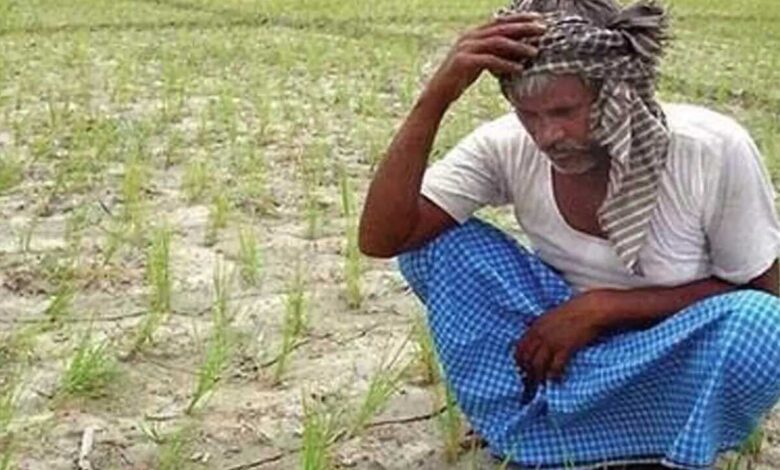
A prolonged shortage of monsoon rainfall has pushed Karnataka into a difficult agricultural situation, forcing authorities to suspend canal water release from the Tungabhadra Reservoir. The decision has raised serious concerns among farmers who were depending on reservoir water to begin cultivation for the monsoon season.
Officials from the irrigation department confirmed that water supply through the canal network has been stopped because the reservoir has received almost no fresh inflow. With storage levels falling to critical levels, conserving the remaining water has become the immediate priority.
The Tungabhadra Reservoir, located near Munirabad in Koppal district, currently holds only about 9 TMC of water. Officials say this is the lowest storage level recorded at this stage in nearly a decade. During the same period last year, the reservoir contained around 75 TMC of water. However, last year also witnessed challenges after damage to one of the dam gates affected water distribution for the post monsoon crop season.
The impact of the latest decision is expected to be severe across Koppal, Ballari, Raichur and Vijayanagara districts. Farmers in these regions largely depend on water from the Tungabhadra irrigation system to cultivate crops during the monsoon. Many had already begun preparations for sowing and are now uncertain about the future of their fields.

Agriculture officials have advised farmers not to rely entirely on reservoir water while planning cultivation this season. They have also urged growers to avoid planting crops that require large quantities of water until rainfall improves. Experts warn that if the monsoon does not recover during July, agricultural activity across these districts could suffer significant losses, increasing financial pressure on farming families.
The state leadership has also appealed to farmers to remain cautious while making crop decisions. Authorities have emphasized that sowing should be planned based on available water resources rather than expectations of future reservoir releases.
The current crisis follows one of the weakest starts to the southwest monsoon in recent years. Karnataka has reportedly recorded a rainfall deficit of about 42 percent during June compared with the seasonal average. Weather data also indicates that this is among the driest June months experienced in the state over the past five decades.
Normally, Karnataka receives around 199 millimetres of rainfall during June, but this year the figure has remained close to 116 millimetres. The shortfall has been especially severe in the Malnad and coastal regions, where rainfall has dropped by more than half in some areas. Reduced rainfall in these catchment zones has significantly affected inflows into major reservoirs, including Tungabhadra.
With the monsoon yet to regain momentum, farmers across the affected districts are closely watching weather forecasts and hoping for widespread rainfall in the coming weeks. Until then, uncertainty continues to dominate the agricultural landscape as both farmers and officials wait for much needed relief from nature.