New Gas Cylinder Rules Give LPG Users 30 Days to Switch After PNG Connection
The Central Government has revised LPG regulations, allowing consumers who opt for PNG connections a 30 day transition period while offering greater flexibility and convenience under updated rules.

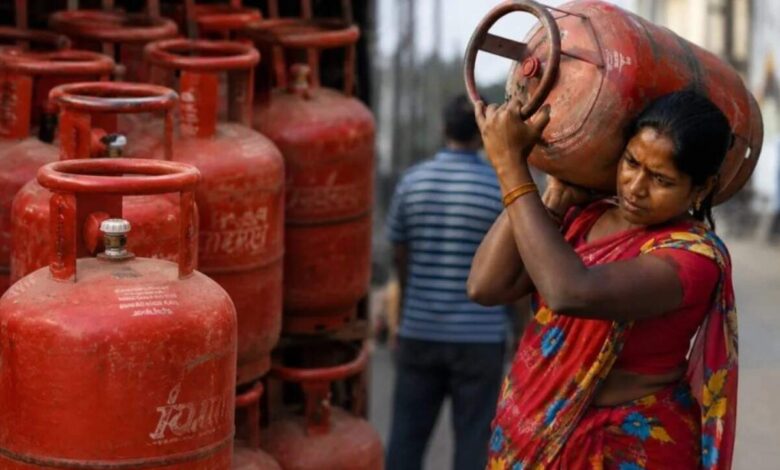
The Central Government has introduced revised guidelines for domestic gas consumers, bringing relief to many LPG users across the country. The latest changes come at a time when cooking gas prices have seen revisions, making consumers pay closer attention to fuel related policies.
Under the updated rules, households that obtain a new Piped Natural Gas connection will no longer be required to surrender their LPG connection immediately. Instead, consumers will be given a 30 day window to complete the process. This change provides additional time for families to adjust to the new system without disruption.
Earlier regulations required residents in areas with PNG availability to switch completely from LPG to PNG. Gas agencies were also instructed to cancel LPG connections of customers who continued to maintain both services. The revised framework now offers more flexibility and reduces inconvenience for consumers affected by the earlier policy.
Another significant benefit under the new guidelines is for people who relocate. If a consumer moves from a location where PNG is available to an area without PNG infrastructure, they can obtain a transfer voucher and quickly regain access to an LPG connection. This provision is expected to help families during relocation and ensure uninterrupted cooking fuel access.


PNG connections are increasingly being promoted because they provide a continuous gas supply directly through pipelines. Unlike LPG cylinders, users do not need to book refills or wait for deliveries. This eliminates the uncertainty of running out of gas and reduces dependence on delivery schedules.
Billing under PNG is also different. Consumers are charged according to actual usage through a metered system, removing the need for advance payments. Bills are generally generated periodically, allowing households to pay based on consumption rather than purchasing a full cylinder upfront.
Safety is another factor supporting the shift toward PNG. Since natural gas is lighter and disperses quickly in the air, the risk associated with leaks is often lower. In addition, PNG users do not face issues such as soot, grease deposits, or concerns about whether a cylinder has been filled completely.
With these revised rules, the government aims to make the transition between LPG and PNG smoother while ensuring that consumers have greater flexibility, convenience, and access to cooking fuel services.