Samsung Unveils World First 4K 360Hz QD OLED Monitor at Computex 2026
Samsung showcased breakthrough display innovations at Computex 2026 including a world first 4K 360Hz QD OLED monitor, ultra slim laptop panels and advanced gaming focused technologies.

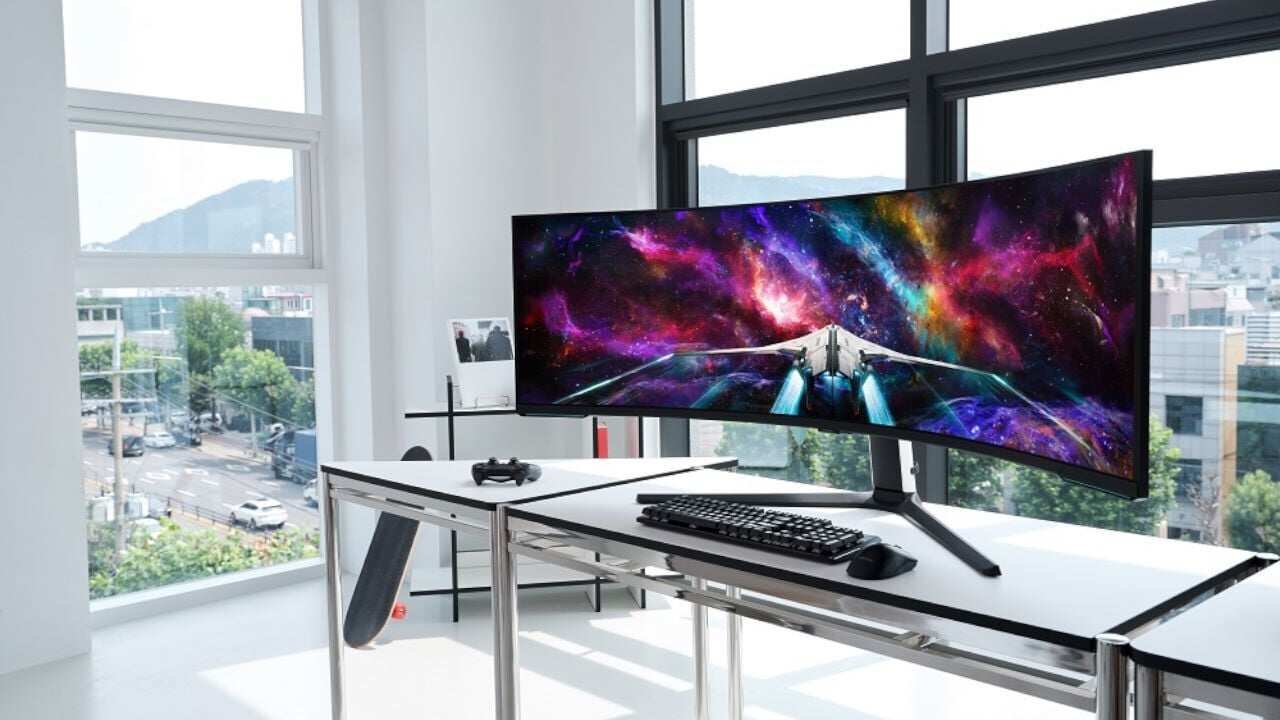
Samsung has taken center stage at Computex 2026 by unveiling a new generation of OLED and QD OLED displays aimed at gamers, content creators, and premium laptop users. The company introduced a total of 16 gaming focused display solutions, ranging from compact OLED panels designed for handheld gaming devices to massive ultrawide monitors built for immersive desktop experiences.
The biggest attraction at the event was undoubtedly Samsung’s new 4K 360Hz QD OLED display. According to the company, this is the first self emissive monitor panel in the world capable of delivering both ultra high 4K resolution and an exceptionally fast 360Hz refresh rate simultaneously. Achieving this combination required significant optimization of the panel’s internal circuitry and driving architecture, allowing gamers to enjoy detailed visuals without sacrificing speed.
While high refresh rate displays have become increasingly popular among competitive gamers, combining such performance with 4K resolution has remained a major technical challenge. Samsung believes its latest innovation addresses that challenge and could redefine expectations in the premium gaming monitor segment.
Alongside the flagship monitor, Samsung also showcased an Ultra Slim OLED panel developed specifically for gaming laptops. The company revealed that the new panel is more than 20 percent thinner than existing laptop OLED modules. Engineers reduced the thickness of both the TFT substrate and encapsulation glass by over 30 percent, creating a lighter and slimmer design without compromising visual quality.


Samsung emphasized that the thinner construction does not affect critical display characteristics such as response times or deep black reproduction. This makes the technology particularly attractive for manufacturers looking to build lightweight gaming laptops without sacrificing premium display performance.
Another highlight of the presentation was Samsung’s latest Penta Tandem QD OLED technology. The company explained that the new design expands the OLED stack from four layers to five. This architectural change is intended to improve brightness levels, energy efficiency, and panel longevity. Samsung believes the technology will deliver a more impressive viewing experience, especially during HDR content playback and visually demanding gaming sessions.
The company also highlighted the capabilities of its laptop OLED displays, which can support VESA DisplayHDR True Black 1000 certification. These panels are capable of reaching peak brightness levels of up to 1000 nits while maintaining the deep black tones that OLED technology is known for. Depending on the model, refresh rates can range from 165Hz to 240Hz, providing smooth visuals for gaming and creative workloads alike.
Beyond the headline grabbing products, Samsung introduced several additional QD OLED monitor formats. The lineup included a 27 inch 500Hz QD OLED monitor aimed at esports enthusiasts, a 31.5 inch UHD model, a 34 inch QHD Plus ultrawide display, and a massive 49 inch Dual QHD monitor designed for immersive multitasking and gaming.
To demonstrate the capabilities of these displays, Samsung used a range of modern gaming titles including PUBG Battlegrounds, F1 25, DJMAX RESPECT V, and Crimson Desert. The demonstrations focused on motion clarity, color reproduction, HDR performance, and responsiveness across different screen sizes and refresh rates.
Industry observers note that the premium gaming display market is witnessing a steady transition away from traditional LCD technology toward OLED and QD OLED solutions. Samsung believes this shift will continue as users increasingly demand higher contrast ratios, faster response times, and more vibrant visuals.
With its latest announcements at Computex 2026, Samsung has signaled that the race for next generation display technology is accelerating rapidly. The company’s new lineup reflects a strong focus on pushing the boundaries of gaming performance while simultaneously improving efficiency, portability, and visual quality across a wide range of devices.