Why Kashmiri Saffron Is Called Red Gold Across Global Markets
From luxury kitchens to skincare and medicine industries worldwide, premium Kashmiri saffron continues dominating international markets because of its rare quality, intense aroma, difficult harvesting process and soaring demand.

Saffron has long been considered one of the most luxurious spices in the world, but very few people know that the finest and most expensive variety actually comes from India. Popularly known as Red Gold, saffron is valued not only for its rich colour and aroma but also for its importance in traditional medicine, beauty products and premium cuisines across global markets.
Among all varieties available internationally, Kashmiri Mongra saffron has earned a reputation for being the highest quality saffron. It is mainly cultivated in the Pampore region of Kashmir, where climate and soil conditions help produce deeply coloured saffron strands with a powerful fragrance. Experts say this premium variety contains only the dark red part of the flower stigma, which makes it purer and more valuable than many other saffron types sold worldwide.
The growing international demand for Kashmiri saffron has significantly increased its market value in recent years. In Indian markets, the price of this premium spice can range between Rs 250000 and Rs 300000 per kilogram. In several foreign countries including Switzerland and parts of Europe, the price can rise even further, sometimes touching nearly Rs 500000 per kilogram because of limited production and strong export demand.
Iranian Sargol saffron is another globally popular variety and dominates a large portion of international saffron exports. It is also known for its bright red strands and strong colouring properties. However, traders and experts often consider it slightly less premium compared to Kashmiri saffron in terms of purity, medicinal value and aroma strength. Because of this difference in quality, Iranian saffron is generally priced lower than the Kashmiri variety.

Spain also has its own famous saffron variety called La Mancha saffron. This European saffron is highly respected for its unique smoky aroma that develops during a specialised drying process. It is widely used in premium continental dishes and royal style cuisines across Europe. Though expensive, it still remains behind Kashmiri saffron when it comes to exclusivity and rarity.
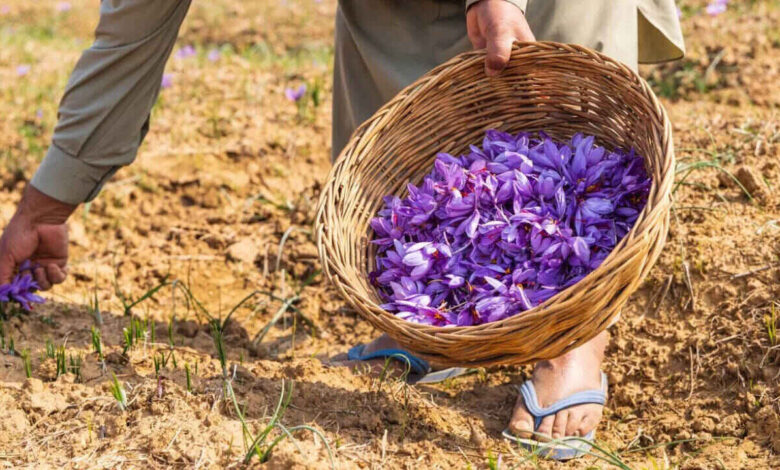
One of the biggest reasons behind saffron’s extraordinary price is the difficult harvesting process. Saffron flowers bloom for only a short period every year, making cultivation extremely limited. Farmers must carefully pluck delicate strands entirely by hand before sunrise to maintain quality. Experts estimate that nearly 110000 to 170000 flowers are required to produce just one kilogram of pure saffron, which explains why the spice remains one of the costliest agricultural products in the world.
Apart from culinary uses, saffron is widely used in Ayurvedic remedies, luxury skincare products and modern pharmaceutical industries. Many people consume it in milk, desserts and herbal preparations because it is believed to contain antioxidant and mood enhancing properties. Beauty brands also use saffron extracts in creams and serums marketed for glowing skin and anti ageing benefits.
Despite its luxury image, saffron farming remains heavily dependent on weather conditions and manual labour. Any climate disturbance can directly affect production levels and pricing. This uncertainty, combined with rising international demand, continues pushing saffron prices higher every year.
As global consumers increasingly prefer natural and premium ingredients, Kashmiri saffron is becoming more valuable than ever before. From gourmet kitchens to cosmetic laboratories, this tiny red spice continues proving why the world proudly calls it Red Gold.