Internal reservation decision reshapes SC quota in Karnataka

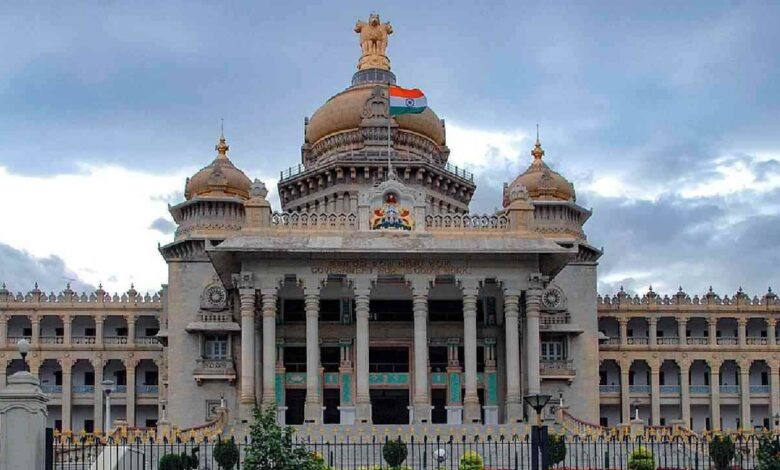
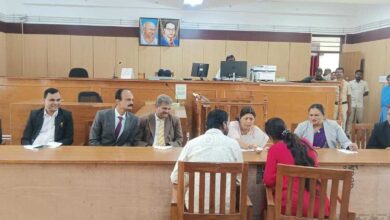
Bengaluru : In a major policy shift with far-reaching social and political implications, the Karnataka government led by Chief Minister Siddaramaiah has approved internal reservation within the Scheduled Caste (SC) quota. The decision, taken during a special cabinet meeting, aims to address long-standing demands from various Dalit sub-castes seeking equitable distribution of benefits.
Under the new framework, the existing 15% reservation for Scheduled Castes will be divided among sub-categories. The government has allocated 5.25% each to the ‘left-hand’ and ‘right-hand’ Dalit communities, while 4.5% has been earmarked for other sub-groups. This move is being described as a landmark step towards social justice, intended to ensure that historically marginalised sub-castes receive a fair share of opportunities.
The issue of internal reservation has been a subject of intense debate for decades, with several communities alleging unequal access to benefits within the SC category. Out of the 101 castes listed under the Scheduled Caste category in Karnataka, many smaller and less-represented groups have consistently argued that dominant sub-castes corner a disproportionate share of jobs and educational opportunities.
Speaking after the cabinet meeting, Law Minister H D Patil said the decision followed extensive deliberations over several weeks. He described it as a “model decision” that could set a precedent for the rest of the country. According to him, the government has resolved earlier confusion regarding roster implementation and has arrived at a balanced formula.

Chief Minister Siddaramaiah clarified that the cabinet unanimously approved the new ratio—Category A (5.25%), Category B (5.25%), and Category C (4.5%). He emphasised that the formula will remain in force until further orders from the court. The government also plans to incorporate this ratio into upcoming recruitment notifications.
The announcement is particularly significant in the context of the government’s plan to fill 56,432 vacant posts across departments. Siddaramaiah confirmed that the new reservation structure will be लागू during these recruitments, which will be carried out in phases. “Our principle is equal share and equal justice. No community should feel left out,” he said.
The move also fulfills a key promise made in the Congress party’s election manifesto. The decision gained momentum after a Supreme Court ruling allowed states to implement internal reservation within the SC category. Following the verdict, the Karnataka government had constituted a committee headed by retired Justice Nagamohan Das to study the issue and submit recommendations.
Initially, the government had proposed a 6-6-5 distribution among sub-categories. However, legal constraints—particularly the Supreme Court’s 50% cap on total reservations as established in the Indra Sawhney case—necessitated a revision. The current 5.25-5.25-4.5 formula is seen as a legally viable compromise.
While the decision has been welcomed by several Dalit organisations, its implementation will be closely watched, especially in terms of legal scrutiny and administrative execution. The Karnataka government’s move could potentially influence similar demands in other states, making it a significant development in India’s evolving reservation policy landscape.