China denies military aid to iran, warns us of countermeasures over tariff threats

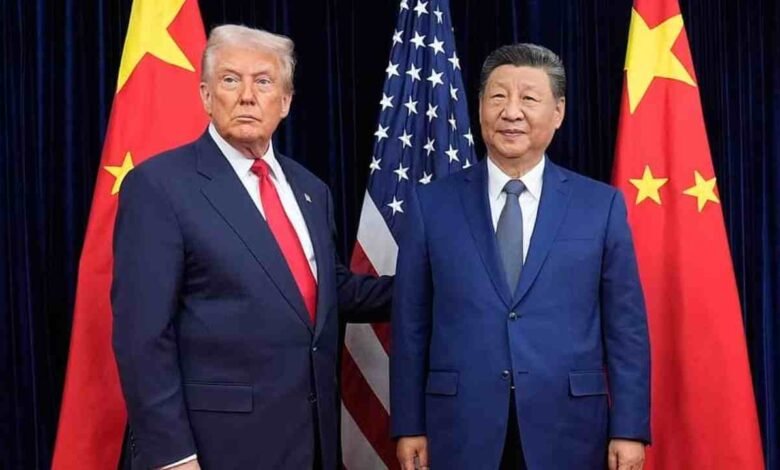
Beijing ; China has firmly rejected allegations that it is providing military assistance to Iran, calling such claims “completely false and fabricated.” At the same time, China has issued a strong warning to the United States, cautioning against any move to impose higher tariffs based on what it described as baseless accusations.
In an official statement, the Chinese Foreign Ministry dismissed media reports suggesting that Beijing had supplied weapons to Iran, including shoulder-fired anti-aircraft missile systems. The ministry stressed that China adheres to responsible arms export policies and does not engage in actions that could escalate regional tensions.
The reaction comes after remarks by former US President Donald Trump, who warned that countries involved in supplying arms to Iran could face steep economic consequences. Trump had indicated that the US might impose tariffs of up to 50 percent on imports from such nations, widely seen as a message directed at China.


Responding to these threats, China made it clear that any unilateral tariff hike by Washington would be met with “necessary countermeasures.” The statement reflects growing friction between the two global powers, particularly over trade policies and geopolitical alignments in the Middle East.
The controversy was further fueled by a report from Fox News, which alleged that China had transferred advanced missile systems to Iran. However, Beijing categorically denied the report, reiterating that it does not support military escalation in the region.
Analysts believe the latest exchange underscores deepening tensions between China and the US, with trade and security issues increasingly intertwined. While Washington has been tightening its stance on Iran, including sanctions and strategic pressure, China has maintained diplomatic and economic ties with Tehran.
China’s warning signals that any escalation in trade restrictions could trigger retaliatory actions, potentially impacting global markets and supply chains. As both nations continue to assert their positions, the situation highlights the fragile balance in international relations, where economic policy and security concerns often collide.