US-Iran tensions deepen amid ongoing West Asia conflict, peace prospects uncertain

Bengaluru: Even as war-like conditions persist in West Asia, diplomatic tensions between the United States and Iran are escalating, casting serious doubts over the prospects of any immediate peace breakthrough.
On one hand, US President Donald Trump has claimed that peace talks with Iran are underway, suggesting that diplomatic engagement has begun to ease hostilities. However, Tehran has outright rejected these claims, mocking Washington’s assertions and stating that the US is “talking to itself” rather than engaging in any meaningful negotiations.
The sharp response came from Lieutenant Colonel Ibrahim Zolfaghari, spokesperson of Iran’s Khatam al-Anbiya Central Headquarters, who, in a televised pre-recorded message, launched a scathing attack on the US position. He criticised what he described as America’s “strategic failure,” arguing that a country that projects itself as a global superpower must acknowledge its inability to resolve the crisis instead of portraying defeat as a diplomatic agreement.


“We have been clear from the beginning. We will never reach an agreement with people like you — not now, not in the future,” he said, signalling Iran’s firm refusal to soften its stance despite mounting international pressure.
The remarks assume significance as they come in the backdrop of a reported 15-point peace proposal sent by the US to Iran. According to sources, the proposal includes demands such as curbing Iran’s nuclear programme, halting its missile development, and reducing its involvement in regional conflicts. However, Iran has not officially accepted or responded positively to these conditions.
Meanwhile, several countries, including Pakistan, are attempting to mediate between the US, Iran, and their respective allies, including Israel. Despite these diplomatic efforts, conflicting statements from both sides have only added to the uncertainty surrounding the situation.
While Washington continues to project optimism about a possible peace process, Tehran’s outright rejection has created a stark contradiction, leaving observers skeptical about any near-term resolution.
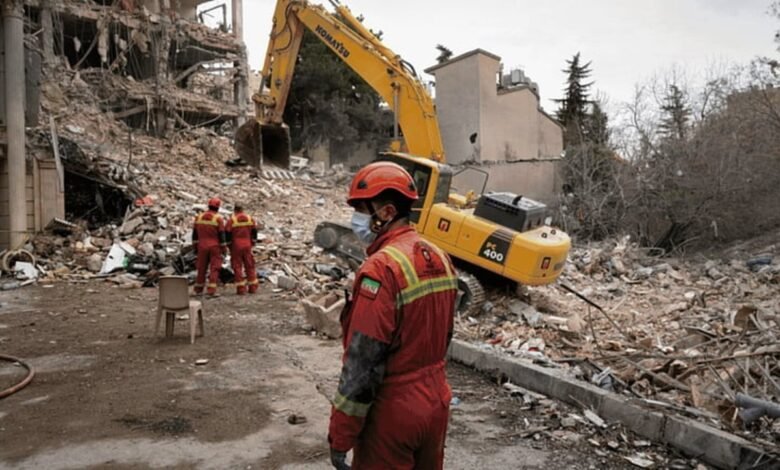
On the ground, the conflict remains far from over. Clashes involving Iran-backed groups and US-allied forces continue across key flashpoints in the region, indicating that hostilities are still active despite ongoing diplomatic chatter.
Experts believe the current scenario reflects a paradox — negotiations in rhetoric but war in reality. With both sides sticking to hardline positions and unwilling to make concessions, the chances of a comprehensive peace agreement appear slim for now.
Overall, the situation underscores a deepening geopolitical standoff where diplomatic narratives and ground realities are moving in opposite directions, prolonging instability in the region.